LO QUE OFRECEMOS
Una fabricación profesional
fundición y mecanizado empresarial
Todo el proceso de fundición de carcasas y mecanizado de precisión
Ver Más
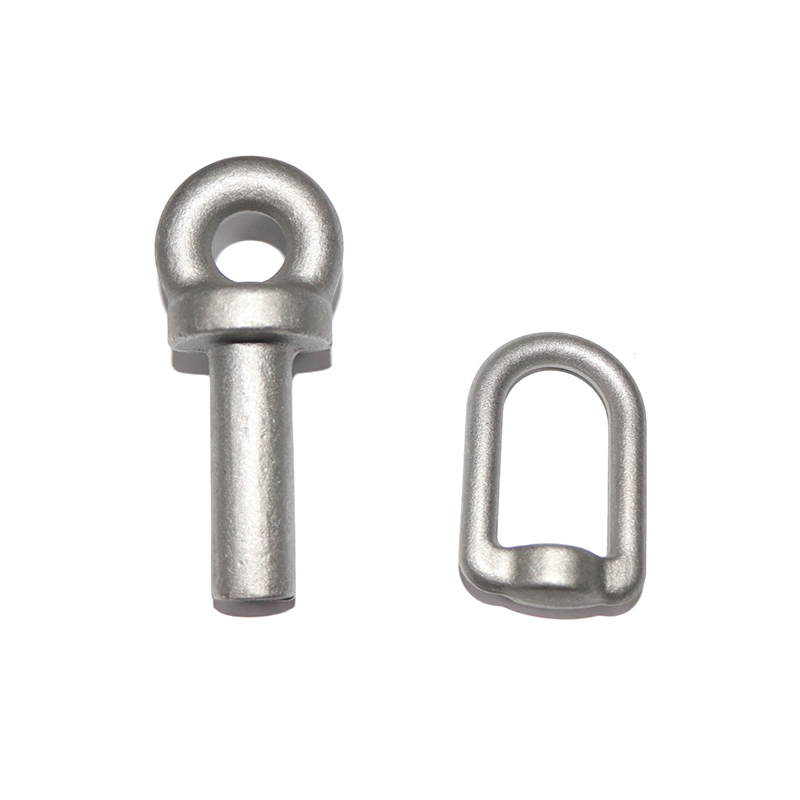
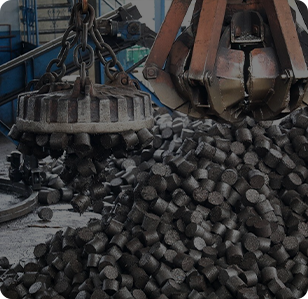
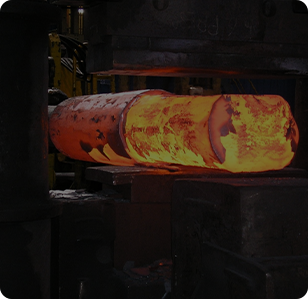
Este producto está forjado con precisión a partir de materiales de alta calidad, como acero aleado 42CrMo y aleación de titanio, utilizando tecnología avanzada de forjado en matriz.
Ver Más
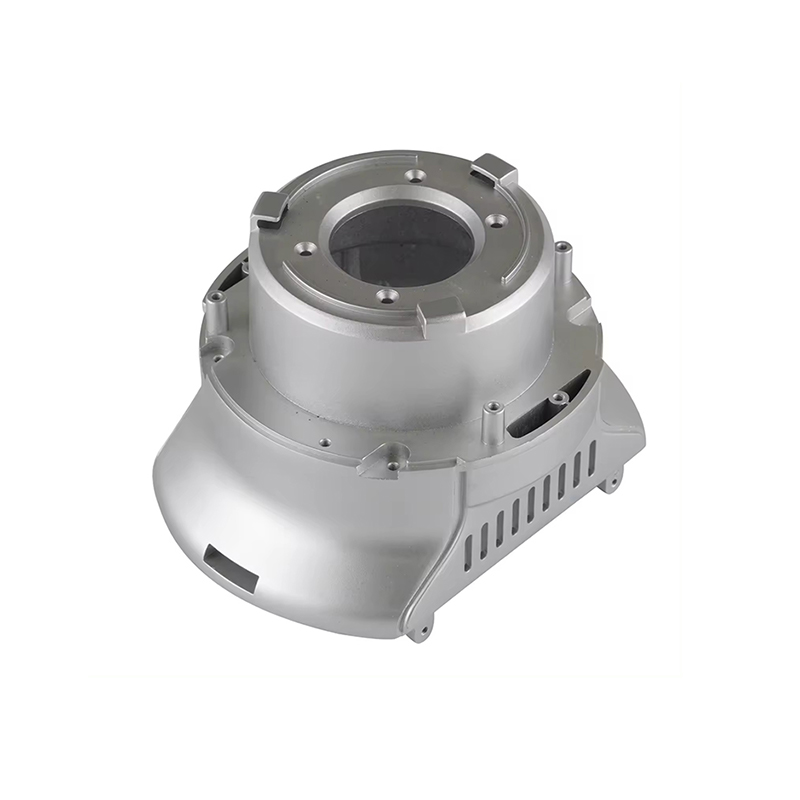
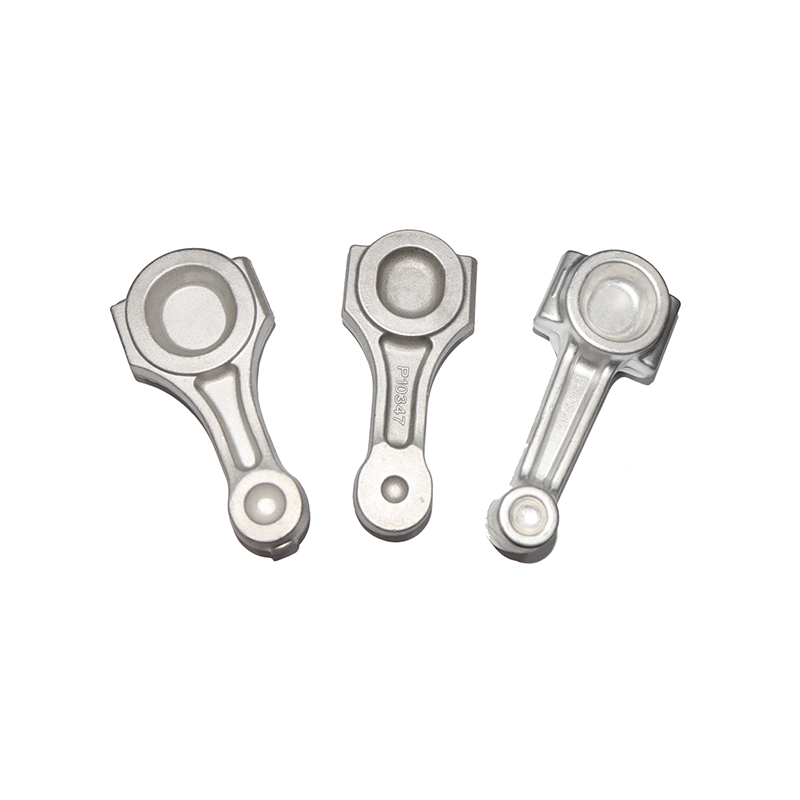
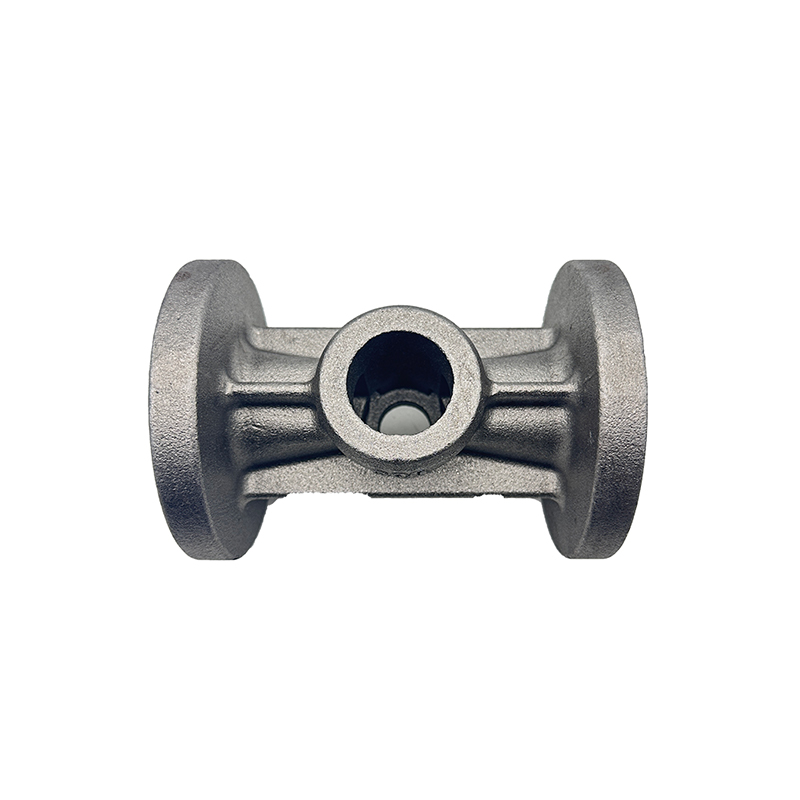
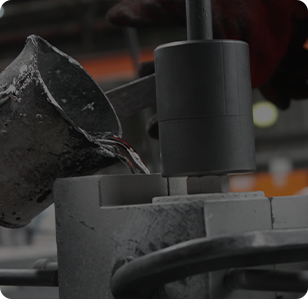
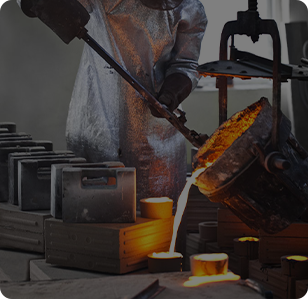
Las piezas fundidas son productos metálicos con formas y estructuras específicas que se forman vertiendo, enfriando y solidificando metal fundido.
Ver Más
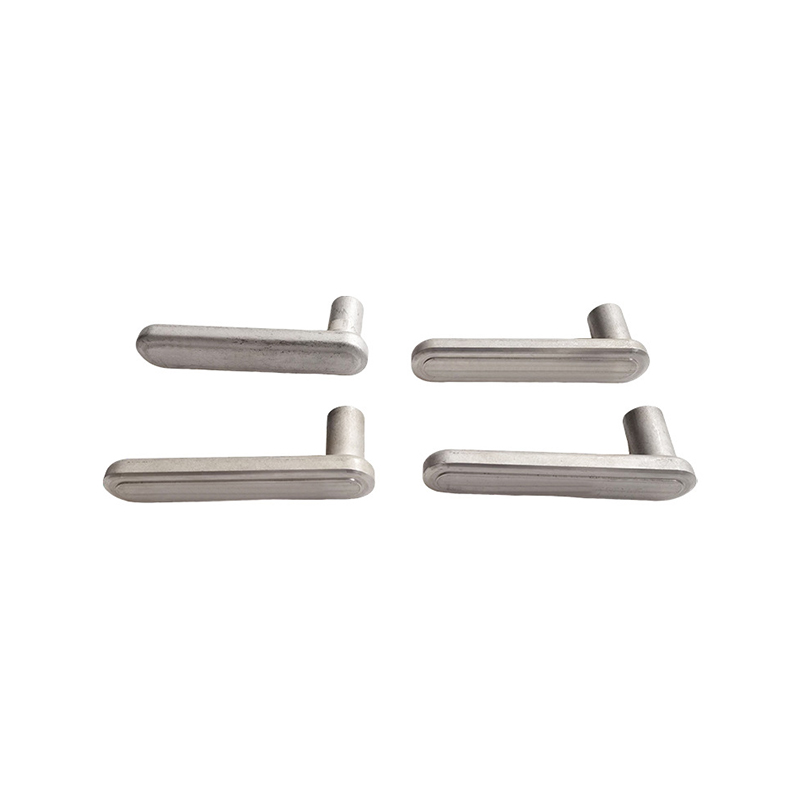
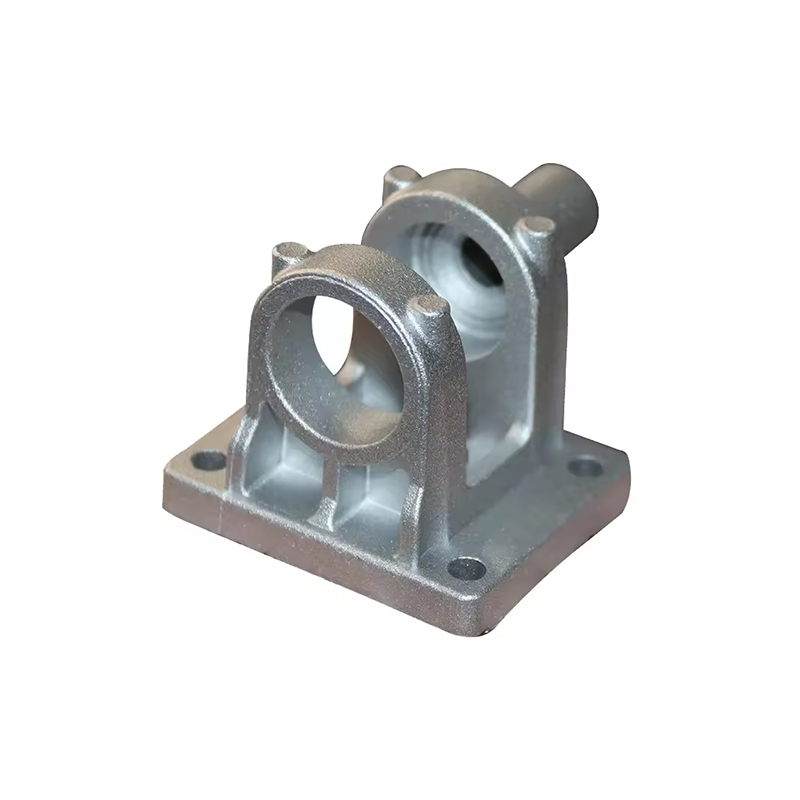
Las piezas forjadas son piezas que se deforman plásticamente bajo fuerzas externas para obtener formas y propiedades específicas.
Ver Más
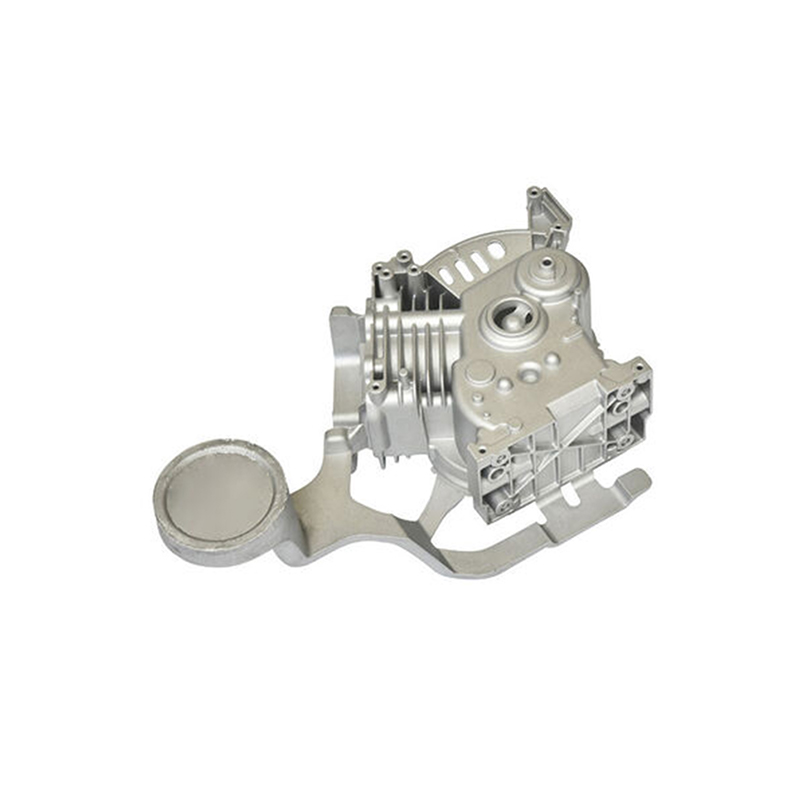
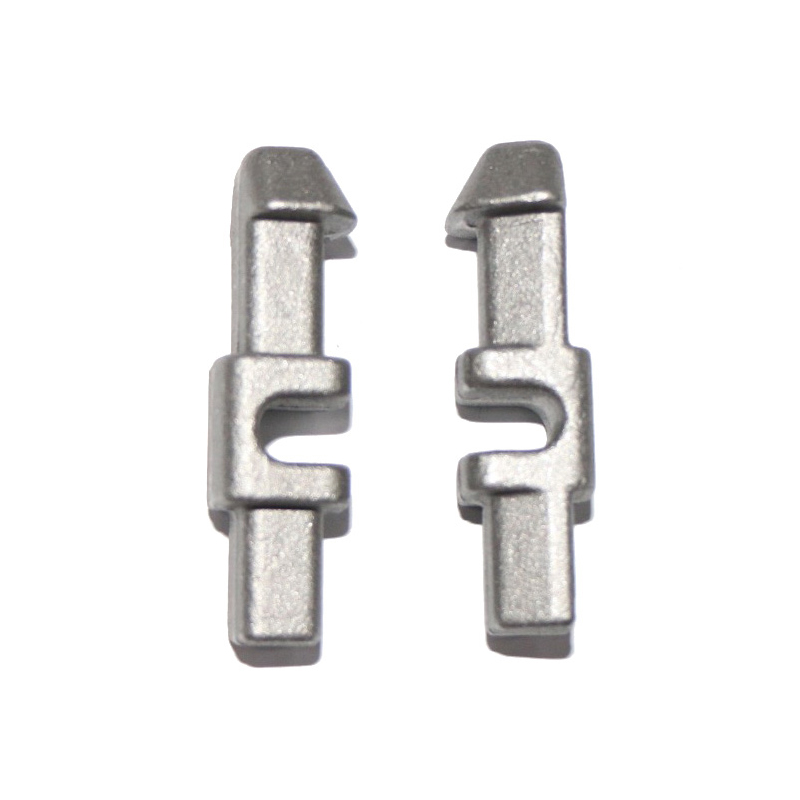
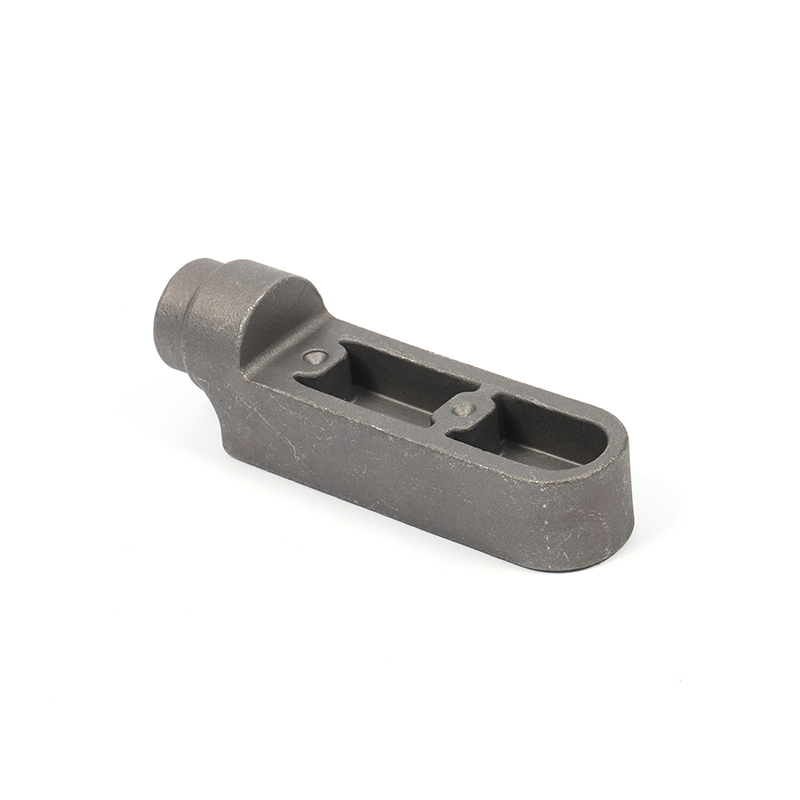
Las piezas fundidas a presión son un tipo de producto metálico que se forma inyectando rápidamente metal fundido en un molde metálico a alta presión.
Ver Más
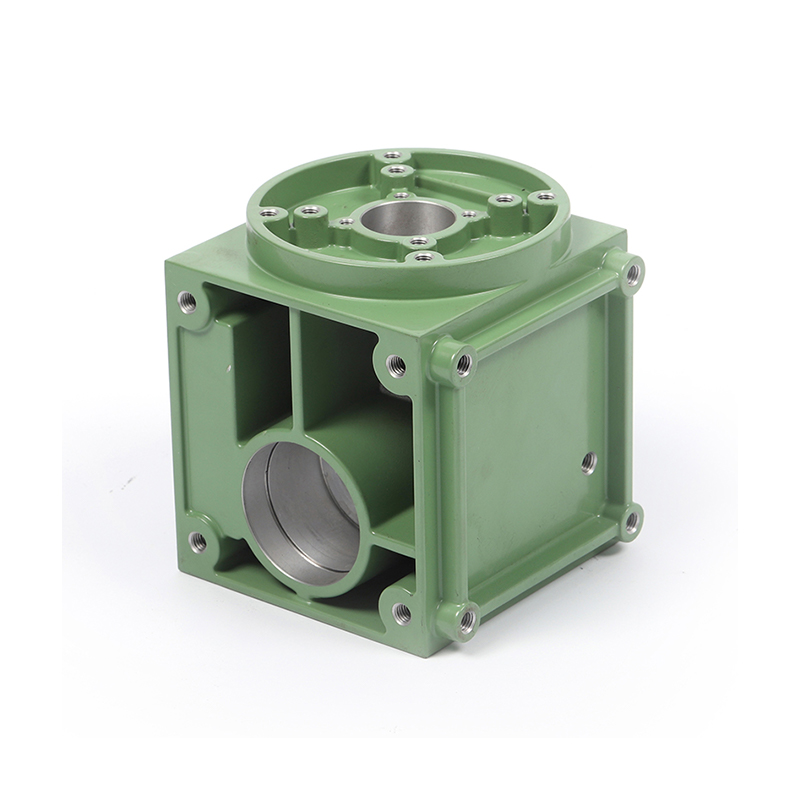
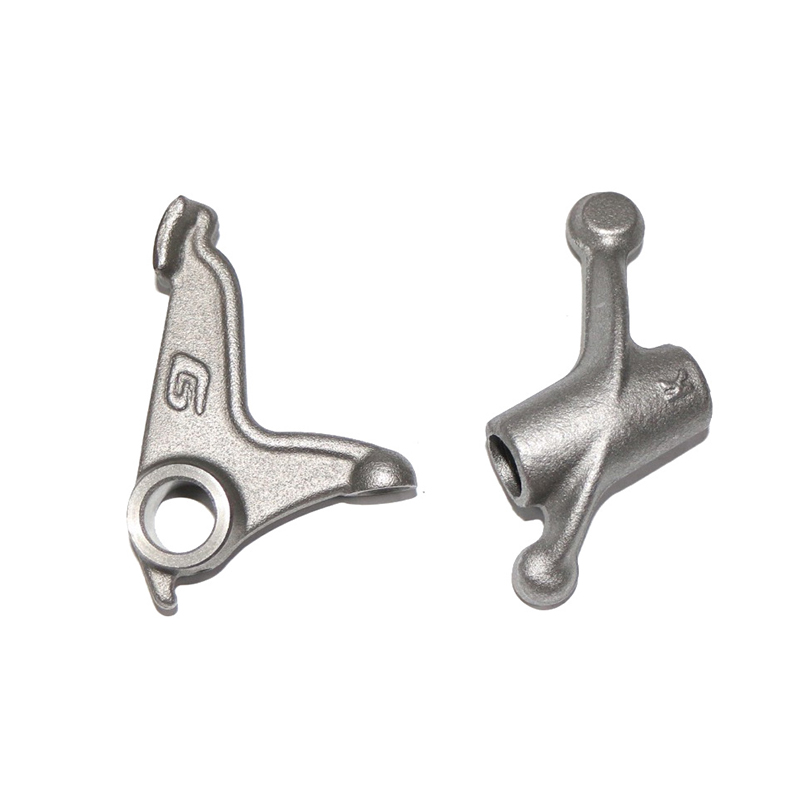
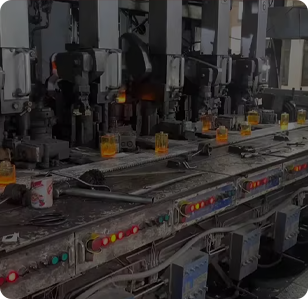
Las piezas mecanizadas CNC son componentes de precisión fabricados por máquinas herramienta de control numérico por computadora mediante corte, perforación, fresado, torneado y otros métodos de procesamiento automatizados en materiales metálicos o no metálicos.
Ver Más
¿POR QUÉ ELEGIRNOS
Adherirse a la actualización tecnológica y la innovación en procesos

Servicio integral
Cubrimos todo el proceso de fundición y mecanizado de precisión, conectando eficientemente desde las materias primas hasta los productos terminados.

Escala y capacidad
Actualmente cuenta con 140 empleados, de los cuales 12 son personal profesional y técnico. La producción anual de piezas fundidas alcanza las 900 toneladas.

Múltiples campos de aplicación
Los productos se aplican ampliamente en industrias como hardware de construcción, autopartes, equipos mecánicos y transporte ferroviario.
SOBRE NOSOTROS
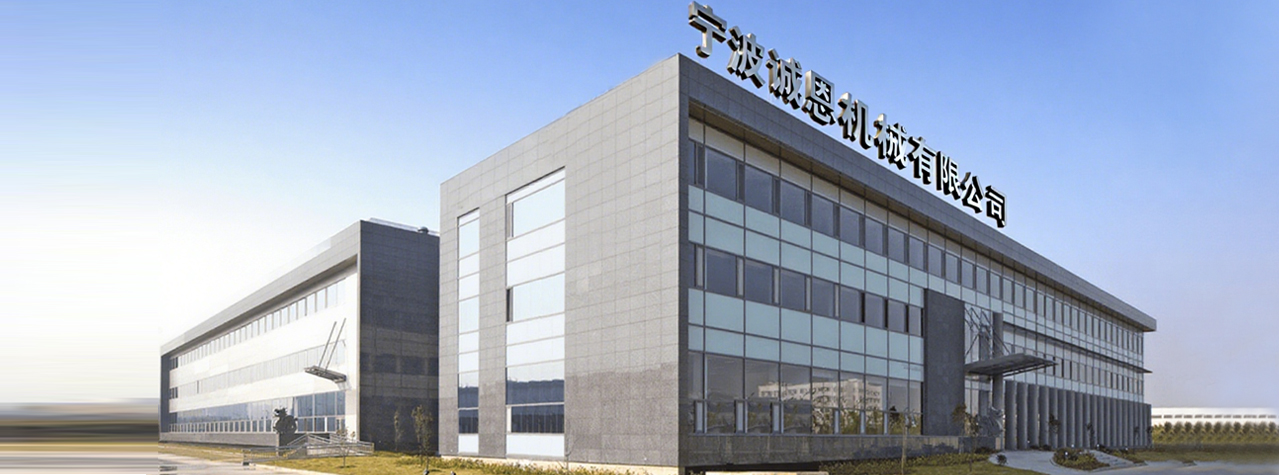
Ubicados en Ningbo,
irviendo al mundo
Ningbo Chengen Machinery Co., Ltd. fue establecida en 2008. Es una empresa de fabricación profesional que integra fundición y mecanizado, dedicada a proporcionar soluciones integrales de alta calidad a sus clientes. La empresa se encuentra en la localidad de Jiangshan, Distrito de Yinzhou, Ciudad de Ningbo. Cuenta con una base de producción moderna de 12,000 metros cuadrados, equipada con equipos de producción avanzados y un equipo técnico profesional. Ha ganado un amplio reconocimiento en el mercado gracias a sus excelentes capacidades de fabricación y rigurosos controles de calidad.
INDUSTRIA DE SERVICIOS
Una amplia gama de industrias
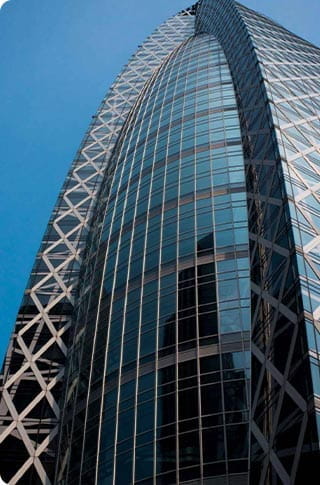
Hardware de construcción
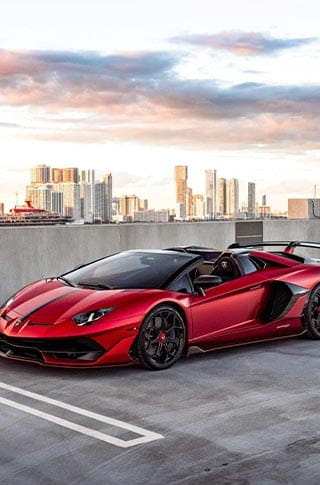
Piezas de automóviles
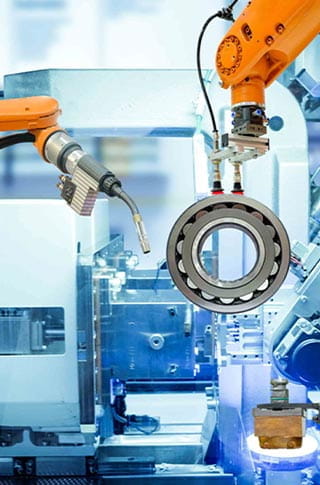
Equipamiento mecánico
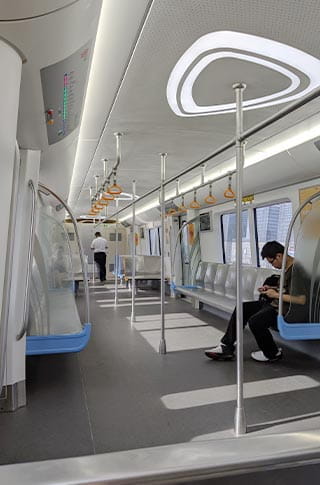
Tráfico ferroviario
CÓMO FUNCIONA
Dominar la tecnología líder
1. Preparación de materia prima
2. Preparación del troquel
3. Calefacción
4. Forjado
5. Enfriamiento y Rectificación
6. Inspección de calidad y aceptación del producto terminado
NOTICIAS
Conozca nuestras noticias recientes
A lo largo de los años, hemos visto fundición de inversión de aluminio evolucionar de un proceso de nicho a una de las formas más confiables de producir componentes metálicos livianos y de alta integridad. Esta guía explica cómo funciona el proceso, por qué los equipos de diseño lo eligen y cómo un socio de fabricación integral puede ayudarle a pasar del concepto a la pieza terminada con menos dolores de cabeza y mejores resultados. ¿Qué es la fundición a la cera perdida de aluminio? La fundición a la cera perdida de aluminio es un proceso de formación de metales de precisión que comienza con un patrón de cera de sacrificio. El patrón se recubre con capas de lechada cerámica para construir una carcasa, la cera se funde y se vierte una aleación de aluminio fundido en la cavidad resultante. Después de que el metal se solidifica y se retira la cubierta cerámica, el resultado es un componente con una forma casi neta que requiere un mecanizado secundario mínimo. El método desciende de la antigua técnica de la cera perdida, pero el moderno control del proceso lo ha convertido en una ruta de producción industrial altamente repetible. Las aleaciones de aluminio aportan su propio conjunto de ventajas: baja densidad, resistencia natural a la corrosión, buena conductividad térmica y eléctrica y una excelente relación resistencia-peso. Cuando estas propiedades se combinan con la libertad geométrica de la fundición a la cera perdida, los ingenieros pueden producir piezas que serían difíciles, costosas o incluso imposibles de fabricar por otros medios. En nuestro trabajo diario, la combinación es especialmente valiosa: la fundición a la cera perdida produce la forma casi neta, mientras que el aluminio mantiene la pieza final liviana sin comprometer las propiedades mecánicas. El proceso de fundición a la cera perdida de aluminio Cada fundición refina los detalles de acuerdo con su propio equipo, pero la secuencia central de la fundición a la cera perdida de aluminio sigue un patrón consistente: Herramientas e inyección de cera: un troquel de metal mecanizado se llena con cera fundida para crear un patrón de la pieza. Para prototipos o trabajos de bajo volumen, también se pueden producir patrones mediante impresión 3D. Montaje: los patrones de cera se unen a un bebedero central para formar un árbol, por lo que se pueden fundir varias piezas en una sola carcasa. Construcción de la concha: el árbol de cera se sumerge repetidamente en una mezcla de cerámica y se recubre con arena refractaria hasta que se construye una concha fuerte y multicapa. Desparafinado: la cáscara se calienta en un autoclave o en un horno de combustión instantánea para que la cera se derrita y se escurra, dejando una cavidad que reproduce exactamente la geometría del patrón. Precalentamiento y vertido: el molde cerámico se precalienta y se vierte aluminio fundido en la cavidad, generalmente con ayuda de gravedad o baja presión para garantizar un llenado completo. Retiro y acabado de la cáscara: después de la solidificación, se retira la cáscara de cerámica, se cortan las piezas del bebedero, se rectifican las compuertas y se aplica un tratamiento térmico o acabado de superficie según sea necesario. Beneficios clave de la fundición a la cera perdida de aluminio La fundición a la cera perdida de aluminio se ha ganado una sólida reputación en las industrias manufactureras porque ofrece una combinación de beneficios que pocos procesos pueden igualar: Libertad geométrica: el patrón de cera no necesita ningún ángulo de desmoldeo, por lo que los cortes socavados, los pasajes internos complejos y las paredes delgadas se pueden moldear directamente. Tolerancias estrictas: la fundición a la cera perdida normalmente mantiene las dimensiones en un rango de tolerancia de aproximadamente ±0,005 pulgadas por pulgada (0,5%) y puede lograr resultados más estrictos con el ajuste de herramientas. Excelente acabado superficial: las superficies fundidas comúnmente alcanzan de 125 a 250 micropulgadas Ra, lo que reduce o elimina el trabajo de acabado secundario. Eficiencia de materiales: el enfoque de forma casi neta minimiza los desechos de mecanizado y reduce el consumo de materia prima. Diseño liviano: las aleaciones de aluminio permiten una reducción significativa del peso sin sacrificar el rendimiento estructural, que es una prioridad clave en la ingeniería automotriz y aeroespacial. Escalabilidad: la misma ruta básica admite tiradas de prototipos, lotes de bajo volumen y producción de alto volumen con calidad repetible. Aleaciones de aluminio utilizadas en fundición a la cera perdida Seleccionar la aleación adecuada es fundamental para el éxito de una fundición a la cera perdida de aluminio. Cada grado ofrece un equilibrio diferente de resistencia, moldeabilidad, resistencia a la corrosión y respuesta al tratamiento térmico. La siguiente tabla resume las opciones más comunes y las aplicaciones para las que son más adecuadas. Aleaciones de aluminio comunes para fundición a la cera perdida y sus aplicaciones típicas de ingeniería. aleación Propiedades clave Aplicaciones típicas A356.0 Tratable térmicamente, alta relación resistencia-peso, buena resistencia a la corrosión Piezas estructurales automotrices, soportes aeroespaciales. A355.0 Mantiene la fuerza a temperaturas elevadas. Culatas, componentes hidráulicos A319.0 Buena estanqueidad a la presión, resistencia moderada. Cajas de bombas, cárteres de motores A206.0 La mayor resistencia entre las aleaciones de fundición de aluminio. Piezas estructurales de alta resistencia, componentes militares. 443.0 Excelente moldeabilidad y resistencia a la corrosión. Hardware marino, equipos de procesamiento de alimentos. Su socio de fundición debería ayudarle a evaluar las ventajas y desventajas entre estos grados. Un componente que debe mantener la presión, por ejemplo, suele ser una buena opción para el A319, mientras que la resistencia máxima después del tratamiento térmico apunta hacia el A356 o el A206. La mejor decisión depende del entorno operativo, el volumen de producción y el costo objetivo del proyecto. Un proveedor experto también analizará las implicaciones de costos de cada aleación, porque la elección del material afecta no solo el rendimiento mecánico sino también la temperatura de fusión, la fluidez y el comportamiento de acabado. Aplicaciones en todas las industrias La fundición a la cera perdida sirve a un amplio espectro de industrias porque el proceso puede cumplir con requisitos estructurales, de presión y cosméticos al mismo tiempo. Las aplicaciones típicas incluyen: Automoción: soportes de motor, soportes de suspensión, componentes de chasis y carcasas de tren motriz Aeroespacial: soportes ligeros, recintos de aviónica y estructuras interiores. Equipos industriales: carcasas de bombas, impulsores, cuerpos de válvulas y colectores hidráulicos. Maquinaria agrícola: carcasas y palancas que deben resistir condiciones de mucho polvo y cargas elevadas Médico y laboratorio: carcasas de instrumentos y componentes con superficies lisas y limpiables Energía y electrónica: carcasas de motores, disipadores de calor y cuerpos de conectores El sector industrial y de energía hidráulica es un rival particularmente fuerte para la fundición de aluminio. Las carcasas de bombas y los cuerpos de válvulas hidráulicas se benefician de la capacidad de formar conductos internos y paredes herméticas a la presión en una sola pieza, lo que reduce las vías de fuga y simplifica el montaje. En Ningbo Chengen Machinery, fabricamos estos componentes de control de fluidos con una variedad de tecnologías de fundición de aluminio, para que pueda seleccionar la ruta que mejor se adapte a sus requisitos de volumen, tolerancia y costo. Carcasas de bombas y cuerpos de válvulas hidráulicas de aluminio fundido Esta línea de productos cubre componentes de control de fluidos para los sectores petroquímico, de tratamiento de agua, de construcción y energético, con presiones nominales de hasta 35 MPa y aleaciones resistentes a la corrosión, lo que la convierte en una opción clave para sistemas industriales exigentes. Ver producto → ¿Por qué elegir Ningbo Chengen Machinery para fundición de aluminio? Elegir el socio de fabricación adecuado es tan importante como elegir el proceso adecuado. En Ningbo Chengen Machinery, hemos combinado la fundición y el mecanizado bajo un mismo techo desde 2008, con una moderna base de producción de 12.000 metros cuadrados que respalda el diseño de patrones, la fundición, el acabado CNC, el tratamiento de superficies y la inspección de calidad. Nuestro enfoque integral reduce la fricción de coordinar múltiples proveedores y mantiene cada paso de su proyecto bajo el mismo sistema de calidad. Antes de que comience la producción, nuestros ingenieros revisan el dibujo, cuestionan las suposiciones que determinan los costos y recomiendan la ruta de fundición más económica que aún cumpla con sus tolerancias críticas. Obtenga más información sobre nuestra empresa, nuestros equipos y nuestra filosofía de ingeniería en nuestro Acerca de la página . Nuestro equipo trabaja con aleaciones de aluminio todos los días para aplicaciones automotrices, industriales y estructurales. En el campo de la automoción, por ejemplo, suministramos componentes de fundición de aluminio para sistemas de propulsión, combinando cuerpos estancos a la presión con caras de montaje mecanizadas con precisión para cumplir con los requisitos dimensionales de los compartimentos de motores modernos. Componentes del tren motriz de aluminio fundido a presión Estos componentes son compatibles con vehículos de pasajeros, comerciales y de nuevas energías, utilizando fundición a alta presión con asistencia de vacío y tratamiento térmico para lograr piezas livianas y de alta resistencia, como cajas de transmisión, culatas y cárteres de aceite. Ver producto → La calidad es un enfoque constante en cada etapa de la producción. Nuestras instalaciones operan bajo sistemas de gestión de calidad documentados y cada envío se verifica para determinar la conformidad dimensional, las especificaciones del material y el estado de la superficie antes de salir de fábrica. Este es el nivel de control que hace que un socio integral sea confiable para piezas que deben funcionar en entornos exigentes. La fundición a la cera perdida de aluminio es una ruta comprobada hacia piezas metálicas livianas y de alta integridad, y se vuelve aún más poderosa cuando el trabajo de fundición se combina con el mecanizado de precisión en el mismo flujo de producción. Ya sea que esté desarrollando un nuevo producto, optimizando un componente existente o volviendo a poner en producción una pieza heredada, Ningbo Chengen Machinery está listo para ayudarlo a evaluar las opciones y brindarle una solución que cumpla con sus especificaciones. Póngase en contacto con nuestro equipo de ingeniería con sus dibujos y requisitos para recibir una cotización rápida y detallada. .article-section table{display: table!important;}.article-section thead{display: table-header-group!important;}.article-section tbody{display: table-row-group!important;}.article-section tr{display: table-row!important;}.article-section th{display: table-cell!important;}.article-section td{display: table-cell!important;}.article-section caption{caption-side:bottom;font-size:16px;margin-bottom:12px;font-style:italic;color:#808080;}.article-section th{font-weight:bold;border:1px solid #cccccc;padding:8px;}.article-section td{border:1px solid #cccccc;padding:8px;text-align: center;}.article-section ol{margin-bottom:12px;list-style-type:decimal;list-style-position:inside;padding-left:0;}.article-section ul{margin-bottom:12px;list-style-type:disc;list-style-position:inside;}.article-section li{list-style:inherit;font-size:16px;margin-bottom:6px;}.article-section h2{font-size:22px;font-weight:bold;text-align:left;margin-bottom:12px!important;}.article-section h3{font-size:16px;font-weight:bold;text-align:left;margin-bottom:12px;}.article-section p{font-size:16px!important;margin-bottom:12px;} .product-card{display:block;margin:20px 0;border:1px solid #e5e7eb;border-radius:10px;overflow:hidden;font-style:normal;background:#fff}.pc-inner{display:flex;text-decoration:none;color:inherit;align-items:center;min-height:120px}.pc-img{width:160px;min-width:160px;aspect-ratio:4/3;height:auto;min-height:120px;object-fit:cover;flex-shrink:0;display:block;align-self:stretch}.pc-body{padding:12px 16px;flex:1;min-width:0;display:flex;flex-direction:column;align-self:stretch;justify-content:center}.pc-title{display:block;font-size:15px;font-weight:600;color:#111;margin:0 0 6px;line-height:1.4}.pc-desc{display:-webkit-box;font-size:13px;color:#6b7280;margin:0 0 8px;line-height:1.5;overflow:hidden;-webkit-line-clamp:2;line-clamp:2;-webkit-box-orient:vertical}.pc-cta{display:block;font-size:13px;font-weight:600;color:inherit;margin-top:auto}.pc-inner:hover .pc-title{text-decoration:underline} .article-section a:not(.pc-inner),article a:not(.pc-inner){color:inherit}.pc-cta{color:inherit!important}
Ver más
El hierro fundido ha sido un caballo de batalla en la fabricación industrial durante siglos, e incluso en una era de aleaciones de aluminio y aceros avanzados, sigue siendo indispensable. Cuando un proyecto requiere fundición, la decisión suele recaer en dos materiales: fundición gris y fundición dúctil. Parecen similares en bruto, pero sus estructuras internas y comportamiento mecánico son profundamente diferentes. Esta guía compara el hierro dúctil con el hierro fundido gris en cuanto a resistencia, maquinabilidad, amortiguación, desgaste y costo, para que pueda especificar el material correcto con confianza. ¿Qué es el hierro fundido gris? La fundición gris toma su nombre de la superficie gris rica en grafito que se ve cuando se fractura una pieza fundida. En este material, el carbono precipita en forma de escamas de grafito distribuidas a través de una matriz perlítica o ferrítica. Esas escamas son las que hacen que el hierro gris se comporte como lo hace. Crean elevadores de tensión naturales que limitan la resistencia a la tracción y prácticamente no dan al material ninguna deformación plástica antes de la fractura. Una fundición gris típica tiene una resistencia a la tracción entre 140 y 420 MPa, con un alargamiento inferior al 1%. Sin embargo, las mismas escamas son también la fuente de los puntos fuertes prácticos del hierro gris: rompen las virutas de mecanizado, amortiguan las vibraciones excepcionalmente bien y ayudan a conducir el calor lejos de las zonas calientes. Por este motivo, la fundición gris sigue siendo la opción predeterminada para las plataformas de máquinas herramienta, bloques de motor, discos de freno y carcasas de bombas. ¿Qué es el hierro dúctil? El hierro dúctil, también conocido como hierro nodular o hierro de grafito esferoidal (SG), se comercializó a finales de la década de 1940. Su característica definitoria es la forma del grafito. Una pequeña adición de magnesio o cerio al hierro fundido hace que el grafito se solidifique como pequeñas esferas en lugar de escamas. Debido a que las esferas no concentran la tensión como lo hacen las escamas afiladas, el hierro dúctil puede estirarse y absorber energía antes de romperse. Dependiendo del grado, el hierro dúctil ofrece resistencias a la tracción desde 415 MPa hasta más de 690 MPa y un alargamiento del 2% al 18%. También tiene una resistencia al impacto y a la fatiga mucho mejores que el hierro gris. Estas propiedades permiten que el hierro dúctil reemplace el acero fundido e incluso algunas piezas forjadas en aplicaciones estructurales, desde cigüeñales de automóviles hasta componentes de maquinaria de construcción. El material está especificado bajo normas como ASTM A536 e ISO 1083. Hierro dúctil versus hierro fundido gris: comparación directa La siguiente tabla resume las principales diferencias de ingeniería entre los dos materiales. Tabla 1. Hierro dúctil versus hierro fundido gris: una descripción general de las propiedades mecánicas y de fabricación clave. Propiedad Hierro fundido gris Hierro dúctil Microestructura Hojuelas de grafito Esferoides de grafito Resistencia a la tracción 140–420 MPa 415–690 MPa Elongación de rotura Menos del 1% 2-18% Resistencia al impacto pobre bueno Amortiguación de vibraciones Excelente moderado maquinabilidad Excelente bueno Resistencia al desgaste bueno Muy bueno Fuerza de fatiga inferior superior Costo relativo inferior superior Diferencias clave explicadas Resistencia y Ductilidad La diferencia más importante es cómo se comportan los dos materiales bajo carga. El hierro fundido gris es fuerte en compresión pero débil en tensión y esencialmente no tiene límite elástico; se fractura repentinamente cuando se sobrecarga. El hierro dúctil, por el contrario, cede y se deforma notablemente antes de fallar. Para piezas críticas para la seguridad, como brazos de suspensión, componentes hidráulicos que contienen presión y equipos de elevación, el hierro dúctil es la opción lógica. La ductilidad adicional proporciona una advertencia visible antes de que una pieza finalmente se rompa, lo cual es invaluable en la maquinaria en la que los operadores confían todos los días. Maquinabilidad y amortiguación de vibraciones En el taller mecánico, la fundición gris es el material más amigable. Las escamas de grafito actúan como un rompevirutas incorporado y como lubricante seco, por lo que las herramientas de corte duran más y los acabados de las superficies son más fáciles de controlar. La capacidad de amortiguación del hierro gris también es excepcional: convierte las vibraciones mecánicas en calor, motivo por el cual las bases de las máquinas herramienta de precisión y las carcasas de las cajas de cambios se fabrican a menudo con él. El hierro dúctil es más duro y resistente, por lo que exige más herramientas, pero los insertos modernos de carburo y cerámica lo manejan sin dificultad. La desventaja es que la mayor resistencia del hierro dúctil generalmente permite paredes más delgadas y piezas fundidas más livianas, lo que puede compensar el mayor costo de material y mecanizado. Resistencia al desgaste y vida a la fatiga Bajo desgaste por deslizamiento, el hierro gris puede superar al hierro dúctil porque las escamas de grafito expuestas en la superficie actúan como un lubricante sólido. El hierro dúctil, sin embargo, es superior en contacto rodante y en condiciones abrasivas de alto estrés. También tiene un límite de resistencia a la fatiga significativamente mayor, lo que lo convierte en el material preferido para ejes, engranajes y otros componentes sujetos a cargas cíclicas repetidas. Cuando una pieza debe sobrevivir millones de ciclos sin agrietarse, el hierro dúctil es casi siempre la respuesta de ingeniería más segura. Costo y disponibilidad La fundición gris suele ser menos costosa de producir. Su fusión requiere un control del proceso menos estricto y su maquinabilidad mantiene bajos los costos de acabado. El hierro dúctil exige un control disciplinado de la adición de magnesio y una mayor atención durante la fundición, lo que eleva su precio. Aún así, cuando el costo total de propiedad incluye el peso, la confiabilidad y la vida útil, el hierro dúctil a menudo gana. Una fundición de hierro dúctil se puede diseñar con paredes más delgadas que una gris. fundición de hierro de igual resistencia, ahorrando material y reduciendo el peso del componente terminado. Aplicaciones típicas Donde el hierro fundido gris sigue siendo el estándar El hierro gris es el material clásico para carcasas de motores, cuerpos de bombas, carcasas de válvulas, discos de freno y estructuras de máquinas herramienta. Ningún otro material fundido iguala su combinación de bajo costo de material, excelente maquinabilidad, amortiguación intrínseca y conductividad térmica. Para estas aplicaciones, la fundición gris es difícil de desplazar. Sin embargo, los ingenieros buscan constantemente formas de reducir el peso, particularmente en equipos móviles. Las carcasas de bombas y los cuerpos de válvulas hidráulicas de aluminio fundido a presión, por ejemplo, ahora son comunes en los sistemas hidráulicos donde las prioridades son una carcasa más liviana y una mejor resistencia a la corrosión. Carcasas de bombas y cuerpos de válvulas hidráulicas de aluminio fundido Esta página de producto detalla componentes de fundición a presión de aluminio livianos y resistentes a la corrosión para bombas industriales y sistemas hidráulicos, que cubren aplicaciones petroquímicas, de tratamiento de agua y de construcción, relevantes donde reducir el peso y mejorar la resistencia a la corrosión son prioridades. Ver producto → Las carcasas de motores eléctricos son otro bastión del hierro gris que poco a poco se está abriendo a materiales más ligeros. Las carcasas de motor de fundición a presión de aluminio de precisión proporcionan una excelente disipación de calor y un importante ahorro de peso para motores compactos en transmisiones automotrices e industriales. Carcasas de motor de fundición a presión de aluminio de precisión para motores de 50 W a 5 kW Esta página, centrada en carcasas de motores pequeñas y medianas, destaca la fundición a presión al vacío a alta presión con diseños de paredes delgadas y gestión térmica. Es útil para ingenieros que buscan ahorro de peso y disipación de calor en aplicaciones de motores industriales y automotrices compactos. Ver producto → Donde se prefiere el hierro dúctil El hierro dúctil es el material elegido para piezas de alta resistencia que deben absorber impactos y soportar tensiones cíclicas: cigüeñales de automóviles, componentes de suspensión, carcasas de cajas de cambios, accesorios de tuberías y piezas de maquinaria de construcción. Su alta relación resistencia-peso lo convierte en un competidor directo del acero fundido. En algunos diseños de maquinaria de construcción, los ingenieros optan por la fundición de precisión de acero aleado, especialmente cuando un componente debe combinar una geometría compleja, alta resistencia y tolerancias estrictas. Ambas rutas producen piezas confiables; la elección correcta depende de las condiciones de carga y del volumen de producción requerido. Piezas fundidas de precisión de acero aleado para maquinaria de construcción Esta página muestra componentes de aleación de acero fundido a presión, como dientes de cucharón y mandíbulas de trituradora, que ofrecen alta resistencia y resistencia al desgaste. Es relevante para piezas de maquinaria pesada que deben resistir impactos y tensiones cíclicas, compitiendo con soluciones de hierro dúctil. Ver producto → Cómo elegir entre hierro fundido gris y hierro dúctil Comience haciendo tres preguntas sobre el componente y su entorno de servicio. ¿Qué cargas verá la pieza? Si está principalmente comprimido, debe amortiguar las vibraciones y no estará expuesto a impactos, el hierro gris ofrece el costo más bajo. Si va a ser doblado, torcido, impactado o cargado cíclicamente, el hierro dúctil es el material más seguro. ¿Cómo se mecanizará y terminará la pieza? El hierro gris se trabaja maravillosamente pero limita la libertad de diseño debido a su fragilidad. El hierro dúctil permite paredes más delgadas y secciones transversales más fuertes a costa de un proceso de corte más duro. ¿Cómo es el costo del ciclo de vida completo? Una pieza de hierro dúctil más liviana puede reducir el consumo de material, el peso de envío y el uso de energía en el producto final, lo que a menudo supera el precio de compra más alto. La selección de materiales no puede separarse de la selección de procesos. Las propiedades mecánicas de una pieza fundida dependen tanto del control metalúrgico del fundidor como del grado especificado. Comprender los conceptos básicos de la proceso de fundición le ayuda a hacer mejores preguntas y evaluar la capacidad de un proveedor. Si una pieza de hierro gris o dúctil no es la ruta más económica, otros procesos como la fundición a la cera perdida, el forjado o el mecanizado CNC pueden satisfacer mejor el requisito. La clave es evaluar el diseño completo, no sólo el nombre del material. En Chengen Machinery, ayudamos a los clientes a comparar opciones de materiales y luego llevar el diseño seleccionado a través de fundición, mecanizado y tratamiento de superficies en un solo lugar. Contacta con nuestro equipo para analizar los requisitos de sus componentes y le recomendaremos la solución de fabricación más confiable y rentable. .article-section p{font-size:16px!important;margin-bottom:12px;}.article-section h2{font-size:22px;font-weight:bold;text-align:left;margin-bottom:12px!important;}.article-section h3{font-size:16px;font-weight:bold;text-align:left;margin-bottom:12px;}.article-section ul{margin-bottom:12px;list-style-type:disc;list-style-position:inside;}.article-section ol{margin-bottom:12px;list-style-type:decimal;list-style-position:inside;padding-left:0;}.article-section li{list-style:inherit;font-size:16px;margin-bottom:6px;}.article-section table{display:table!important;}.article-section caption{caption-side:bottom;font-size:16px;margin-bottom:12px;font-style:italic;color:#808080;}.article-section thead{display:table-header-group!important;}.article-section tbody{display:table-row-group!important;}.article-section tr{display:table-row!important;}.article-section th{display:table-cell!important;font-weight:bold;border:1px solid #cccccc;padding:8px;}.article-section td{display:table-cell!important;border:1px solid #cccccc;padding:8px;text-align:center;} .product-card{display:block;margin:20px 0;border:1px solid #e5e7eb;border-radius:10px;overflow:hidden;font-style:normal;background:#fff}.pc-inner{display:flex;text-decoration:none;color:inherit;align-items:center;min-height:120px}.pc-img{width:160px;min-width:160px;aspect-ratio:4/3;height:auto;min-height:120px;object-fit:cover;flex-shrink:0;display:block;align-self:stretch}.pc-body{padding:12px 16px;flex:1;min-width:0;display:flex;flex-direction:column;align-self:stretch;justify-content:center}.pc-title{display:block;font-size:15px;font-weight:600;color:#111;margin:0 0 6px;line-height:1.4}.pc-desc{display:-webkit-box;font-size:13px;color:#6b7280;margin:0 0 8px;line-height:1.5;overflow:hidden;-webkit-line-clamp:2;line-clamp:2;-webkit-box-orient:vertical}.pc-cta{display:block;font-size:13px;font-weight:600;color:inherit;margin-top:auto}.pc-inner:hover .pc-title{text-decoration:underline} .article-section a:not(.pc-inner),article a:not(.pc-inner){color:inherit}.pc-cta{color:inherit!important}
Ver más
Pocas decisiones sobre materiales causan tanto debate en un taller mecánico como la elección entre fundiciones de hierro gris y dúctil. Ambos son hierros fundidos confiables y ampliamente utilizados, pero tienen propósitos diferentes. En Ningbo Chengen Machinery, llevamos años fabricando piezas fundidas y mecanizadas complejas para clientes de construcción, agricultura, automoción y energía hidráulica. Una y otra vez vemos que elegir el grado de hierro adecuado marca la diferencia entre una pieza que dura y una que falla prematuramente. ¿Qué son las piezas de fundición de hierro gris y hierro dúctil? El hierro gris recibe su nombre de la superficie de fractura de color gris oscuro cuando se rompe una pieza fundida. El carbono del hierro gris está presente en forma de escamas de grafito interconectadas. Estas escamas le dan al hierro gris una excelente amortiguación de vibraciones y maquinabilidad, pero también crean fuertes concentraciones de tensión que limitan la ductilidad y la resistencia al impacto. El hierro dúctil, también llamado hierro fundido nodular, tiene su carbono en forma de nódulos esféricos de grafito. Los nódulos se forman añadiendo magnesio o cerio al hierro fundido antes de verterlo. Debido a que las partículas redondas de grafito no crean las mismas muescas internas que las escamas, el hierro dúctil puede estirarse, doblarse y absorber impactos mucho más que el hierro gris. Esta diferencia microestructural impulsa casi todas las comparaciones prácticas entre los dos materiales. Diferencias mecánicas clave de un vistazo Para facilitar la selección de materiales, utilizamos una tabla de comparación sencilla con los clientes antes de revisar los dibujos. Estos valores son rangos típicos para grados de fundición comunes, no garantías para una pieza específica. Comparación de las propiedades de fundición de hierro gris y hierro dúctil. Propiedad Hierro gris Hierro dúctil Forma de grafito copos esferoides Resistencia a la tracción 20 000-60 000 psi 60.000-100.000 psi Fuerza de producción Sin límite de rendimiento definido 40.000-70.000 psi Elongación Menos del 1% 2-18% Resistencia al impacto ~2 pies-libra ~7 pies-libra Amortiguación de vibraciones Excelente moderado Conductividad térmica superior inferior maquinabilidad Excelente bueno Costo relativo inferior superior La tabla es un punto de partida, no una respuesta final. Para piezas críticas para la seguridad, verifique siempre el material seleccionado con sus condiciones de carga y requisitos de calidad. Resistencia, Ductilidad y Comportamiento de Impacto La resistencia mínima a la tracción del hierro dúctil suele ser de 60 000 psi para el grado 60-40-18, mientras que el hierro gris varía entre aproximadamente 20 000 psi en la clase 20 y aproximadamente 60 000 psi en la clase 60 de alta resistencia. Más importante que la resistencia última es el comportamiento después de la fluencia. El hierro dúctil tiene un límite elástico definido y puede deformarse plásticamente antes de romperse. El hierro gris permanece frágil y se fractura sin previo aviso visible. Esta es la razón por la que se elige hierro dúctil para cigüeñales, engranajes, bridas de tuberías y soportes de suspensión, donde los pernos y las cargas crean flexiones o impactos. El hierro gris, por el contrario, es más adecuado para piezas que permanecen comprimidas o soportan cargas estables sin impacto. Las afiladas escamas de grafito del hierro gris actúan como generadores de tensión interna, por lo que el material tiene poca capacidad para tolerar tensiones localizadas. Amortiguación de vibraciones, conductividad térmica y resistencia al desgaste El hierro gris es famoso por amortiguar las vibraciones. El grafito en escamas produce fricción interna y el material muestra un comportamiento no elástico incluso con tensiones muy bajas. Esto hace que el hierro gris sea una excelente opción para bases de máquinas, bloques de motores, tambores de freno y otros componentes donde es necesario absorber ruido y vibraciones. El hierro dúctil, debido a que su grafito es esférico, no amortigua tan bien las vibraciones, pero gana en resistencia a la fatiga. Si una pieza se carga repetidamente, la capacidad del hierro dúctil para tolerar tensiones cíclicas generalmente lo convierte en el material más seguro. El hierro gris también tiende a conducir mejor el calor, lo que beneficia a los rotores de freno, las culatas y piezas similares expuestas al calor. La menor conductividad térmica del hierro dúctil rara vez es una desventaja en aplicaciones estructurales. Ambos materiales contienen grafito, por lo que las piezas fundidas de hierro gris y dúctil a menudo proporcionan un buen comportamiento de desgaste por deslizamiento de forma natural en condiciones de lubricación. Proceso de fundición y maquinabilidad El comportamiento de producción es tan importante como el desempeño en el servicio. El hierro gris es uno de los metales más fáciles de fundir. Su alto contenido de carbono y silicio le confiere una fluidez excelente, por lo que rellena paredes delgadas, formas de núcleos intrincadas y detalles finos con menos contracción. También mecaniza maravillosamente; las virutas rotas mantienen las herramientas frescas y dejan un acabado suave. Esta es la razón por la que históricamente el hierro gris se ha utilizado para viviendas complejas y piezas arquitectónicas decorativas. El hierro dúctil necesita un mayor control de la fusión. El tratamiento con magnesio que forma nódulos puede crear escoria y reacciones químicas, y el metal se contrae más durante el enfriamiento, por lo que el diseño de la alimentación y del elevador requiere una atención cuidadosa. El mecanizado de hierro dúctil requiere configuraciones rígidas, filos de corte más afilados y velocidades adecuadas, porque el material no es lo suficientemente frágil como para romperse en virutas cortas tan fácilmente como el hierro gris. Por lo tanto, el costo de mecanizado es ligeramente mayor, pero el hierro dúctil se puede tratar térmicamente y puede reemplazar las piezas forjadas de acero en muchas partes estructurales. Cómo elegir entre hierro gris y hierro dúctil Aquí está la lista de verificación mental rápida que utilizamos cuando revisamos un nuevo dibujo: Elija hierro gris cuando su prioridad sea la amortiguación de vibraciones, la maquinabilidad o el bajo costo de las piezas. Elija hierro gris para piezas fundidas complejas y de paredes delgadas que necesitan un relleno limpio y una contracción mínima. Elija hierro dúctil cuando necesite resistencia al impacto, ductilidad o resistencia a la fatiga. Elija hierro dúctil para piezas críticas para la seguridad, como soportes de eje, acoplamientos, herrajes de elevación y componentes que contienen presión. Si la sección es grande y la pieza sufrirá una gran tensión, el hierro dúctil es más seguro que el hierro gris porque es menos sensible a las concentraciones de tensión. El hierro gris es común en componentes de motores, rotores de frenos, cuerpos de bombas y bases de máquinas herramienta. El hierro dúctil aparece en cigüeñales, engranajes, válvulas, accesorios de tuberías y piezas de maquinaria pesada. En muchos proyectos, la elección no es obvia hasta que se considera el historial de carga completa y la secuencia de mecanizado. Cuando las fundiciones de hierro no son la respuesta final Esa lista de verificación cubre la familia del hierro. Pero a veces los requisitos de las piezas nos empujan a una familia de materiales completamente diferente. Para equipos pesados de construcción y minería, el hierro dúctil se puede llevar al límite práctico. Cuando dominan el impacto y la fatiga, nuestro siguiente paso suele ser fundición de precisión de acero aleado , lo que da un techo de mayor resistencia y una microestructura más uniforme. Piezas de fundición de precisión de acero aleado para maquinaria pesada de construcción y minería Diseñados para equipos de movimiento de tierras, minería y elevación, estos componentes de fundición a la cera perdida ofrecen alta resistencia, resistencia al desgaste y resistencia al impacto. Se adaptan a condiciones operativas severas donde el hierro dúctil puede alcanzar sus límites. Ver producto → Para los componentes del transporte ferroviario expuestos a la intemperie, la humedad y cargas repetidas de pasajeros, la resistencia a la corrosión se convierte en un factor decisivo. La fundición de precisión de acero inoxidable evita los problemas de oxidación que pueden desarrollar las piezas pintadas de gris o de hierro dúctil y, al mismo tiempo, permite una geometría compleja. Componentes de tránsito de rieles fundidos de precisión de acero inoxidable Fabricadas en acero inoxidable 304 o 316 mediante fundición a la cera perdida, estas piezas incluyen pasamanos del metro y accesorios interiores. Resisten la corrosión y resisten el clima, la humedad y las cargas de pasajeros, ideales para aplicaciones ferroviarias. Ver producto → Y cuando una pieza históricamente ha sido de fundición de hierro pero el nuevo diseño necesita ser más liviano, la alternativa que comparamos es la fundición a presión de aluminio. Las carcasas de bombas industriales y los cuerpos de válvulas hidráulicas son ejemplos típicos en los que la reducción de peso es importante sin sacrificar la integridad de la presión. Carcasas de bombas y cuerpos de válvulas hidráulicas de aluminio fundido La fundición a presión de aluminio a alta presión ofrece componentes livianos y resistentes a la corrosión para bombas y válvulas. Adecuados para petroquímica, tratamiento de agua y maquinaria de construcción, mantienen la integridad de la presión al tiempo que reducen el peso en comparación con el hierro. Ver producto → ¿Por qué trabajar con un socio que entienda de fundición y mecanizado? Elegir el material es sólo la mitad del trabajo. Una pieza fundida no está terminada hasta que se mecaniza, inspecciona y entrega según la tolerancia. Construimos Chengen para combinar fundición, forjado, mecanizado CNC y operaciones secundarias bajo un mismo techo. Esto significa que cuando recomendamos hierro gris o hierro dúctil, también podemos diseñar el proceso de mecanizado en función del comportamiento único de ese material. Puede obtener más información sobre nuestro enfoque integrado en nuestro acerca de la pagina . Si tienes un dibujo y quieres una comparación honesta de materiales por tu parte, contacta con nuestro equipo para una cotización. Conclusión: ambos materiales merecen un lugar en su caja de herramientas de diseño El hierro gris y el hierro dúctil tienen cada uno un papel claro en la fabricación moderna. El hierro gris es económico, estable y excelente para absorber vibraciones; El hierro dúctil agrega la resistencia y dureza necesarias para los componentes estructurales y críticos para la seguridad. La elección correcta requiere más que un vistazo a un gráfico de tracción. Requiere comprender la forma de la pieza, la forma en que se cargará y cómo se mecanizará. En Chengen, estaremos encantados de trabajar en esa decisión con usted. Elija el material correcto, obtenga el proceso correcto y la pieza le servirá durante años. .article-section table{display:table!important;}.article-section thead{display:table-header-group!important;}.article-section tbody{display:table-row-group!important;}.article-section tr{display:table-row!important;}.article-section th{display:table-cell!important;}.article-section td{display:table-cell!important;}.article-section table caption{caption-side:bottom;font-size:16px;margin-bottom:12px;font-style:italic;color:#808080;}.article-section th{font-weight:bold;border:1px solid #cccccc;padding:8px;}.article-section td{border:1px solid #cccccc;padding:8px;text-align:center;}.article-section ol{margin-bottom:12px;list-style-type:decimal;list-style-position:inside;padding-left:0;}.article-section ul{margin-bottom:12px;list-style-type:disc;list-style-position:inside;}.article-section li{list-style:inherit;font-size:16px;margin-bottom:6px;}.article-section h2{font-size:22px;font-weight:bold;text-align:left;margin-bottom:12px!important;}.article-section h3{font-size:16px;font-weight:bold;text-align:left;margin-bottom:12px;}.article-section p{font-size:16px!important;margin-bottom:12px;} .product-card{display:block;margin:20px 0;border:1px solid #e5e7eb;border-radius:10px;overflow:hidden;font-style:normal;background:#fff}.pc-inner{display:flex;text-decoration:none;color:inherit;align-items:center;min-height:120px}.pc-img{width:160px;min-width:160px;aspect-ratio:4/3;height:auto;min-height:120px;object-fit:cover;flex-shrink:0;display:block;align-self:stretch}.pc-body{padding:12px 16px;flex:1;min-width:0;display:flex;flex-direction:column;align-self:stretch;justify-content:center}.pc-title{display:block;font-size:15px;font-weight:600;color:#111;margin:0 0 6px;line-height:1.4}.pc-desc{display:-webkit-box;font-size:13px;color:#6b7280;margin:0 0 8px;line-height:1.5;overflow:hidden;-webkit-line-clamp:2;line-clamp:2;-webkit-box-orient:vertical}.pc-cta{display:block;font-size:13px;font-weight:600;color:inherit;margin-top:auto}.pc-inner:hover .pc-title{text-decoration:underline} .article-section a:not(.pc-inner),article a:not(.pc-inner){color:inherit}.pc-cta{color:inherit!important}
Ver más
Las piezas de fundición a la cera perdida son componentes metálicos producidos mediante fundición a la cera perdida, uno de los procesos de fabricación más antiguos pero confiables para geometrías complejas. El proceso toma su nombre del patrón de cera que se derrite después de que se foma la capa de cerámica, dejando una cavidad que luego se llena con metal fundido. Para los ingenieros y equipos de adquisiciones, la fundición a la cera perdida suele ser la opción preferida cuando una pieza requiere tolerancias estrictas, superficies lisas y materiales que resistan el desgaste o la corrosión. Ningbo Chengen Machinery lleva más de una década ayudando a clientes internacionales a convertir dibujos en componentes terminados. Operamos una instalación integrada donde la fundición de precisión, el tratamiento térmico y el mecanizado CNC se gestionan bajo un mismo techo. Esta guía explica cómo se fabrican las piezas fundidas a la cera perdida, por qué se utilizan en aplicaciones exigentes y qué buscar al seleccionar un socio de fundición. ¿Qué son las piezas de fundición a la cera perdida? El término fundición a la cera perdida cubre una familia de métodos de fundición a la cera perdida que utilizan un patrón de cera consumible. En la producción industrial, este método se utiliza para fabricar piezas que serían difíciles de producir mediante otras rutas de fundición o mediante mecanizado únicamente. Las piezas de fundición a la cera perdida incluyen impulsores, cuerpos de válvulas, piezas en bruto de engranajes, soportes, componentes de cerraduras, accesorios de rieles, herrajes marinos y muchas otras piezas funcionales. Lo que hace que la fundición a la cera perdida sea especialmente útil es su capacidad para reproducir detalles tridimensionales complejos. En lugar de dividir un molde para eliminar un corte, la cubierta cerámica se rompe después de la solidificación. Esto brinda a los diseñadores una libertad que es difícil de lograr con moldes permanentes. Como resultado, las piezas fundidas a la cera perdida a menudo combinan una forma casi neta con una reducción significativa en el tiempo de mecanizado y el desperdicio de material. Cómo se producen las piezas de fundición a la cera perdida Independientemente del material final, la secuencia de producción sigue los mismos pasos básicos. La calidad de cada etapa incide directamente en la parte final, por eso es importante un equipo de producción controlado y experimentado. Inyección de patrón de cera: se moldea un patrón de cera o polímero en un troquel de inyección de metal. Las dimensiones del patrón permiten la contracción por solidificación y la posterior expansión de la cáscara. Ensamblaje del árbol: Los patrones de cera están soldados a un sistema de canal de cera, creando una estructura de árbol que soporta múltiples partes por carcasa. Construcción de conchas de cerámica: El árbol se sumerge repetidamente en una mezcla de cerámica y se recubre con arena de estuco hasta que la concha sea lo suficientemente fuerte como para mantener su forma. Desparafinado: La cáscara se coloca en un autoclave o en un horno flash. La cera se derrite y se agota, dejando una cavidad del molde vacía. Precalentamiento y vertido: la carcasa se precalienta para evitar un choque térmico y el metal fundido se vierte en la cavidad en condiciones de temperatura controlada. Remoción y corte de la cáscara: Una vez enfriada, la cáscara cerámica se retira mecánicamente o mediante chorro de agua. Las piezas individuales se cortan del corredor. Acabado e inspección: los alimentadores se eliminan y las piezas pasan al tratamiento térmico, granallado, mecanizado CNC y verificaciones dimensionales finales. Beneficios clave de las piezas de fundición a la cera perdida ¿Por qué tantas industrias eligen esta ruta de fabricación? Basándonos en nuestra experiencia de producción diaria, las ventajas más importantes son claras. Libertad de diseño: Los cortes intrincados, los orificios perforados y las paredes delgadas se pueden fundir en lugar de mecanizar. Eficiencia del material: la forma casi neta reduce los desechos en comparación con el mecanizado de barras sólidas. Precisión dimensional: las piezas se pueden producir con tolerancias más estrictas que la mayoría de los otros métodos de fundición. Excelente acabado superficial: se necesita menos posprocesamiento para muchas superficies funcionales. Versatilidad de materiales: se puede fundir una amplia gama de aleaciones resistentes a la corrosión y de alta resistencia. Escalabilidad: una vez fabricadas las herramientas, las cantidades pueden pasar de docenas a miles con una calidad constante. Aplicaciones y selección de materiales Las piezas de fundición a la cera perdida aparecen en sectores donde la fiabilidad y la precisión no son opcionales. El material adecuado depende de la carga, el entorno y las propiedades mecánicas requeridas. La siguiente tabla resume las aplicaciones típicas. Aplicaciones típicas y opciones de materiales para piezas de fundición a la cera perdida. Solicitud Materiales comunes ¿Por qué la fundición a la cera perdida? Automotriz Acero inoxidable de alta resistencia, acero aleado Formas casi netas, resistencia y repetibilidad. Tránsito ferroviario Acero inoxidable Seguridad, durabilidad, calidad constante Hardware marino Acero inoxidable Resistencia al agua salada, perfiles complejos. Maquinaria agrícola Acero aleado Resistencia al desgaste, formas intrincadas. Maquinaria de construcción Acero aleado Resistencia al impacto y a la fatiga bajo cargas pesadas. Hardware arquitectónico Acero inoxidable Detalle fino, calidad visual, fuerza. Dependiendo de la industria, el diseño de la pieza y los requisitos de rendimiento, seleccionamos la aleación y la ruta de fundición adecuadas. Tres ejemplos muestran cómo se optimizan las piezas de fundición a la cera perdida para entornos exigentes. Automotriz El acero inoxidable de alta resistencia se utiliza con frecuencia para pequeños componentes estructurales y funcionales de los sistemas de vehículos. La fundición a la cera perdida permite que estas piezas se fabriquen cerca de su forma neta, lo que reduce el tiempo de mecanizado y al mismo tiempo preserva una estructura de grano fuerte. Nuestra experiencia en producción incluye piezas automotrices de acero inoxidable fundidas con precisión que deben cumplir estrictos requisitos de materiales y tolerancias. Piezas automotrices fundidas de precisión de acero inoxidable de alta resistencia para vehículos pesados Estos componentes de fundición ofrecen alta resistencia, resistencia a la corrosión y un peso más liviano, lo que los hace adecuados para piezas de chasis, conectores y soportes en aplicaciones exigentes de vehículos comerciales. Ver producto → Tránsito ferroviario Los componentes interiores y estructurales del transporte público requieren una combinación de resistencia, seguridad y calidad visual. Las piezas de fundición a la cera perdida son una buena opción para mecanismos de puertas, soportes de asientos y accesorios interiores donde la repetibilidad es importante. Las piezas de tránsito ferroviario de acero inoxidable que producimos se fabrican teniendo en cuenta la consistencia dimensional y la vida útil a largo plazo. Piezas de tránsito de rieles fundidos de precisión de acero inoxidable para interiores de metros y autobuses Esta línea de productos cubre pasamanos y accesorios interiores con uso comprobado en proyectos de tránsito urbano. El acero inoxidable fundido 304 proporciona durabilidad, seguridad y dimensiones consistentes para entornos de transporte público. Ver producto → Hardware marino y offshore El agua salada es una dura prueba para cualquier pieza metálica. Las piezas de fundición a la cera perdida de acero inoxidable se utilizan ampliamente en herrajes de cubierta, componentes de aparejos y otros accesorios marinos donde la resistencia a la corrosión y la geometría compleja van de la mano. Fundir estas piezas en lugar de mecanizarlas a partir de material sólido reduce el desperdicio y mejora la rentabilidad en muchos diseños. Accesorios de hardware marino de fundición de precisión de acero inoxidable para entornos corrosivos Diseñadas para barcos e instalaciones costa afuera, estas piezas de acero inoxidable 316L o dúplex incluyen manijas de puertas y cuerpos de válvulas herméticos, que ofrecen alta resistencia y resistencia a la corrosión para una larga vida útil. Ver producto → Tolerancias y consideraciones de calidad Las piezas de fundición a la cera perdida proporcionan una forma casi perfecta, pero cada pieza aún necesita especificaciones claras. En nuestras revisiones de ingeniería, analizamos varios factores clave: tolerancias, tratamiento térmico, requisitos de superficie y métodos de inspección. La tolerancia común para piezas pequeñas de fundición a la cera perdida puede estar en el rango de ±0,005 pulg/pulg, dependiendo de la geometría y la aleación. Dicho esto, la precisión dimensional final depende del diseño de las herramientas, la calidad de la cera, el material de la carcasa y el control del proceso de vertido. Para dimensiones críticas, el mecanizado CNC después de la fundición suele ser la ruta más segura. La combinación de fundición a la cera perdida y mecanizado ofrece a los clientes lo mejor de ambos procesos: la libertad de diseño de la fundición y la precisión del mecanizado. Recomendamos proporcionar un dibujo completo o un modelo 3D al solicitar una cotización, junto con cualquier requisito de calidad del material y propiedades mecánicas. Esto permite a nuestro equipo técnico evaluar si la fundición a la cera perdida es el método óptimo o si se debe utilizar una ruta híbrida. Cómo elegir un proveedor de fundición confiable Seleccionar el socio de fabricación adecuado para piezas de fundición a la cera perdida es algo más que recibir la cotización más baja. Un proveedor que controle todo el proceso puede ahorrarle tiempo, costos y riesgos de calidad. Considere estos puntos cuidadosamente. Capacidad de proceso: ¿La fábrica controla internamente la inyección de cera, la construcción de la carcasa, la fusión y el tratamiento térmico? Integración de mecanizado: ¿Hay acceso a CNC y otras operaciones de acabado bajo el mismo techo? Sistema de calidad: ¿El proveedor sigue prácticas que cumplen con ISO y mantiene registros de inspección claros? Experiencia: ¿El equipo ya ha fundido piezas en su industria con la aleación y las tolerancias que necesita? Comunicación: un equipo de ingeniería receptivo puede evitar que pequeños problemas se conviertan en retrasos en el proyecto. Chengen Machinery combina fundición de precisión con mecanizado y gestión de calidad en una sola instalación. Comenzamos revisando su dibujo y luego le sugerimos el material y la ruta de proceso más adecuados. Cuando estés listo, podrás solicitar una cotización or Conozca más sobre nuestra base de fabricación. . Asóciese con Chengen para su próximo proyecto Las piezas de fundición a la cera perdida ofrecen un equilibrio ideal entre coste, resistencia y geometría. El éxito de su proyecto depende de la fundición detrás de las piezas: su experiencia, equipo y disciplina de proceso. El equipo de Chengen ha prestado servicios a clientes globales con componentes mecanizados y fundidos durante más de una década. Lo invitamos a compartir su dibujo y descubrir cómo nuestro proceso interno puede hacer que su próximo lanzamiento sea más sencillo. .article-section table{display: table!important;}.article-section thead{display: table-header-group!important;}.article-section tbody{display: table-row-group!important;}.article-section tr{display: table-row!important;}.article-section th{display: table-cell!important;}.article-section td{display: table-cell!important;}.article-section caption{caption-side:bottom;font-size:16px;margin-bottom:12px;font-style:italic;color:#808080;}.article-section th{font-weight:bold;border:1px solid #cccccc;padding:8px;}.article-section td{border:1px solid #cccccc;padding:8px;text-align:center;}.article-section ol{margin-bottom:12px;list-style-type:decimal;list-style-position:inside;padding-left:0;}.article-section ul{margin-bottom:12px;list-style-type:disc;list-style-position:inside;}.article-section li{list-style:inherit;font-size:16px;margin-bottom:6px;}.article-section h2{font-size:22px;font-weight:bold;text-align:left;margin-bottom:12px!important;}.article-section h3{font-size:16px;font-weight:bold;text-align:left;margin-bottom:12px;}.article-section p{font-size:16px!important;margin-bottom:12px;} .product-card{display:block;margin:20px 0;border:1px solid #e5e7eb;border-radius:10px;overflow:hidden;font-style:normal;background:#fff}.pc-inner{display:flex;text-decoration:none;color:inherit;align-items:center;min-height:120px}.pc-img{width:160px;min-width:160px;aspect-ratio:4/3;height:auto;min-height:120px;object-fit:cover;flex-shrink:0;display:block;align-self:stretch}.pc-body{padding:12px 16px;flex:1;min-width:0;display:flex;flex-direction:column;align-self:stretch;justify-content:center}.pc-title{display:block;font-size:15px;font-weight:600;color:#111;margin:0 0 6px;line-height:1.4}.pc-desc{display:-webkit-box;font-size:13px;color:#6b7280;margin:0 0 8px;line-height:1.5;overflow:hidden;-webkit-line-clamp:2;line-clamp:2;-webkit-box-orient:vertical}.pc-cta{display:block;font-size:13px;font-weight:600;color:inherit;margin-top:auto}.pc-inner:hover .pc-title{text-decoration:underline} .article-section a:not(.pc-inner),article a:not(.pc-inner){color:inherit}.pc-cta{color:inherit!important}
Ver más
Cuando busca piezas forjadas de acero aleado para un nuevo eje de engranaje, un soporte estructural o un componente de maquinaria de servicio pesado, el proveedor que elija influirá no solo en el costo por pieza sino también en el límite elástico, la vida útil a la fatiga y la confiabilidad a largo plazo de su ensamblaje final. Un socio capaz debe poder mantener la química del material dentro de las especificaciones, controlar la temperatura de forjado y las relaciones de deformación, y coordinar operaciones secundarias como el tratamiento térmico y el mecanizado. Según nuestra experiencia, el primer paso es comparar posibles proveedores en función de las calidades de los materiales, el control del proceso de forjado, la trazabilidad de la calidad y las capacidades de mecanizado posterior al forjado. Este artículo explica cada uno de estos criterios en términos prácticos y ofrece una lista de verificación que puede utilizar en su próxima solicitud de cotización. ¿Qué es la forja de acero aleado y por qué es importante? El acero aleado no es un material único, sino una familia de aceros de ingeniería que contienen adiciones deliberadas de elementos como cromo, molibdeno, níquel y vanadio. Estas adiciones cambian la respuesta del material al tratamiento térmico, mejoran la templabilidad y aumentan la tenacidad a un nivel de resistencia determinado. La forja remodela el material mientras está lo suficientemente caliente como para deformarlo plásticamente. Debido a que la estructura del grano sigue los contornos de la pieza, los componentes de aleación de acero forjado tienen mejor resistencia a la fatiga y al impacto que los componentes cortados de una barra sólida o producidos mediante fundición. Esta es la razón por la que las piezas forjadas de acero aleado se utilizan en aplicaciones como líneas motrices de automóviles, ejes de bombas industriales, piezas de presión para tratamiento de agua, maquinaria agrícola y miembros estructurales de equipos pesados. Un proveedor de forja de acero aleado debe poder explicar, antes de que comience la producción, qué calidad es adecuada para sus condiciones de carga. Por ejemplo, una forja 4140 ofrece un buen equilibrio entre resistencia y dureza, lo que la convierte en una opción popular para ejes y engranajes. Una forja 4340 tiene una mayor templabilidad y se usa a menudo para ejes y cigüeñales de servicio pesado. Una pieza forjada 8620 se puede cementar después de la forja para crear una superficie resistente al desgaste en un núcleo resistente. El punto importante es que el proveedor no debería simplemente tener en stock una calidad de acero genérica; debe comprender cómo el tratamiento térmico afecta las propiedades mecánicas finales y estar dispuesto a discutir las ventajas y desventajas con usted. Cómo evaluar un proveedor de forja de acero aleado Cobertura de materiales y control de procesos Empiece por auditar la cobertura de materiales del proveedor. Solicite una lista de los grados de acero aleado que forjan regularmente. La lista debe incluir grados comunes como 4130, 4140, 4340, 8620, 6150 y cualquier estándar que utilice para su producto. Si el proveedor trabaja con un conjunto limitado de materiales, es posible que se vea obligado a sustituir una calidad que no esté optimizada para su pieza. La certificación de materiales es otro punto importante. El taller de forja debería poder proporcionar certificados de prueba de fábrica y mantener la trazabilidad del número de calor desde la materia prima hasta la forja terminada. Método de forjado y tolerancia Aclare si el proveedor utiliza forja con matriz abierta, forja con matriz cerrada, forja en caliente o forja en frío. Cada método tiene diferentes consecuencias para la geometría de la pieza, el costo de las herramientas y la tolerancia alcanzable. La forja con matriz abierta es adecuada para componentes grandes y de bajo volumen. La forja con matriz cerrada proporciona una mejor repetibilidad y mayores tasas de producción. El forjado en caliente reduce las cargas de forjado y permite una gran reducción de la sección transversal, mientras que el forjado en frío produce un excelente acabado superficial y dimensiones ajustadas en piezas más pequeñas. El proveedor debe recomendar el método que coincida con sus requisitos de calidad y volumen anual. Operaciones secundarias La mayoría de las piezas forjadas no se envían como piezas forjadas en bruto. Necesitan mecanizado para asientos de rodamientos, roscas, ranuras de sello y orificios críticos. Un proveedor que pueda realizar mecanizado CNC después de la forja le ayuda a evitar el envío de piezas a varios proveedores. Cuando la misma organización es responsable de la forja y el mecanizado, la responsabilidad de la concentricidad, el descentramiento y la verificación dimensional final recae en un solo proveedor. Puede ver cómo se analizan las tolerancias dimensionales en nuestro artículo sobre Grados, tolerancias y orientación de fabricación de piezas mecanizadas de acero aleado. . Al mismo tiempo, evaluar la capacidad del proveedor para gestionar el tratamiento térmico y el acabado superficial. Muchas piezas forjadas de acero aleado deben normalizarse, templarse y revenirse antes del mecanizado. Si se subcontrata el tratamiento térmico, el proveedor debe tener un documento de proceso claro y una verificación consistente en cada lote. Grados de acero aleado y sus aplicaciones típicas La siguiente tabla enumera algunos grados de forja de acero aleado comunes utilizados en proyectos industriales. Utilice esto como punto de referencia en lugar de una selección final de material, porque los requisitos de diseño reales, el espesor de la sección y las especificaciones estándar determinarán la mejor opción. Tabla 1. Grados comunes de forja de acero aleado y casos de uso típicos. Grado Características típicas Piezas forjadas comunes 4130 Resistencia media, buena soldabilidad. Marcos estructurales, componentes hidráulicos. 4140 Cromo-molibdeno, tenacidad y resistencia equilibradas Ejes, engranajes, bielas, portaherramientas. 4340 Alta templabilidad, excelente resistencia a la fatiga Ejes pesados, cigüeñales, piezas de aviones. 8620 Tipo endurecido por cementación, núcleo resistente y superficie resistente al desgaste. Piñones, componentes de transmisión, árboles de levas 6150 Alta resistencia a la fatiga, características de resorte. Piezas de suspensión, muelles, piezas de desgaste para minería. Una vez confirmada la calidad, el siguiente paso es hacer coincidir la ruta de forjado con la geometría del componente. Para equipos industriales y piezas de maquinaria pesada, a menudo se prefiere la forja en caliente porque permite una deformación sustancial y produce propiedades mecánicas consistentes en grandes secciones transversales. Componentes forjados en caliente para equipos industriales y maquinaria pesada Esta sección destaca la forja en caliente para equipos industriales y maquinaria pesada, donde alinear la estructura del grano con las cargas de servicio mejora la durabilidad. Esto explica por qué este proceso es adecuado para grandes secciones transversales y aplicaciones exigentes. Ver producto → En nuestras instalaciones, la forja en caliente se utiliza para producir equipos industriales y componentes de maquinaria pesada, como ejes con bridas, bloques de soporte de carga y carcasas de válvulas. El proceso de forjado nos permite alinear la estructura del grano con la dirección de carga de servicio, lo que mejora la durabilidad del componente. Forja de transmisiones de precisión y automoción La industria automotriz es uno de los consumidores más exigentes de piezas forjadas de acero aleado. En este sector, la seguridad y la fiabilidad están reguladas y los requisitos de inspección de piezas son rigurosos. Se eligen piezas de acero de aleación forjada, como ejes de engranajes, semiejes, bielas y muñones de dirección porque deben soportar cargas cíclicas repetidas e impactos ocasionales sin fallas prematuras. Cuando evalúe a un proveedor de forja automotriz, pregunte sobre su experiencia con los procesos de aprobación de piezas de producción y si puede mantener un control estadístico del proceso sobre dimensiones críticas. En Ningbo Chengen Machinery, producimos autopartes forjadas en caliente para clientes que necesitan componentes de acero aleado con tolerancias estrictas y propiedades mecánicas consistentes. Piezas de automóvil forjadas en caliente con tolerancias estrictas y propiedades consistentes Esta parte cubre autopartes forjadas en caliente para componentes de acero aleado que requieren tolerancias estrictas y propiedades mecánicas uniformes. El contexto enfatiza la importancia de hacer coincidir la ruta de forjado con la geometría y controlar la acumulación de tolerancia. Ver producto → La forja en frío también juega un papel importante en la fabricación de piezas de precisión. Piezas como engranajes de transmisión, ejes pequeños y componentes de válvulas a menudo se benefician del forjado en frío porque el proceso tiene una forma neta o casi neta, requiere menos material y proporciona un acabado superficial suave. Para estos componentes, el proveedor debe poder controlar la acumulación de tolerancia desde la forja hasta el mecanizado CNC. Mecanizado posterior al forjado y capacidades integrales Una pieza en bruto forjada rara vez es la pieza final. Los asientos de los rodamientos, las ranuras de las juntas tóricas, las roscas, los orificios de posicionamiento y las superficies pulidas requieren mecanizado posterior al forjado. Cuando el mismo proveedor opera tanto forjado como mecanizado CNC en una sola instalación, se evitan múltiples pasos de transporte y se reduce el riesgo de desalineación dimensional. nuestra empresa Base de producción de 12.000 metros cuadrados alberga forja, fundición, fundición a presión y mecanizado CNC, por lo que un solo pedido puede pasar de la materia prima a la pieza terminada sin salir de la fábrica. Las piezas de transmisión de precisión forjadas en frío son un buen ejemplo de una aplicación que depende de esta ruta integrada. Estas piezas deben combinar una alta resistencia procedente del conformado en frío con un control dimensional preciso en el mecanizado final. Si las operaciones de forjado y mecanizado se separan entre empresas, mantener un descentramiento y un paralelismo ajustados se vuelve mucho más difícil. Piezas de transmisión de precisión forjadas en frío y mecanizado integrado Esta entrada se centra en piezas de transmisión de precisión forjadas en frío que necesitan alta resistencia y control dimensional preciso. Muestra por qué la integración de la forja y el mecanizado es fundamental para mantener un descentramiento y un paralelismo ajustados. Ver producto → Al mantener estas operaciones en un solo lugar, nuestro equipo de calidad puede medir dimensiones críticas después del forjado y nuevamente después del mecanizado, lo que le brinda un registro completo del estado de la pieza en cada paso. Sistemas de calidad y qué preguntarle a un proveedor Pregunte cómo verifica el proveedor las propiedades mecánicas después de la forja. Las pruebas de tracción en cupones forjados pueden confirmar el límite elástico y la resistencia máxima a la tracción, mientras que las pruebas de dureza pueden indicar si el tratamiento térmico fue efectivo. Si la pieza es crítica para la seguridad, pregunte si el proveedor puede realizar una inspección ultrasónica, una inspección con partículas magnéticas o una inspección con tintes penetrantes. El método de inspección debe especificarse en el plano y el proveedor debe estar dispuesto a asignar un inspector responsable para cada lote. La trazabilidad es otro elemento crucial. En un taller de forja bien administrado, cada pieza debe estar vinculada a su número de calor, lote de forja, ciclo de tratamiento térmico y registro de inspección. Este nivel de documentación no supone un trabajo extra; es la base de una cadena de suministro confiable. Si una pieza falla durante el servicio, un registro rastreable le permite identificar la causa raíz rápidamente en lugar de poner en cuarentena miles de piezas. Durante las auditorías de proveedores, observe también cómo la empresa maneja el material no conforme. ¿El proveedor pone en cuarentena con prontitud las piezas rechazadas? ¿Presenta informes de acciones correctivas? ¿Realiza un seguimiento de las tasas de desperdicio o retrabajo? Un proveedor con un sistema de gestión de calidad estructurado pondrá esta información a disposición sin dudarlo. Conclusiones finales Elegir un proveedor de forja de acero aleado es, en última instancia, una cuestión de equilibrar el conocimiento del material, la capacidad del proceso y la gestión del proyecto. El precio cotizado más bajo puede no parecer tan atractivo después de una falla en el campo o un envío retrasado. Busque un proveedor que ofrezca los grados de acero aleado que necesita, que tenga el proceso de forjado adecuado para su geometría, que pueda realizar el mecanizado secundario y el tratamiento térmico en una sola instalación y que sea transparente en cuanto a los registros de calidad. Antes de comprometerse con una producción completa, envíe el plano de su pieza y las condiciones de aplicación al proveedor y solicite una propuesta detallada. La propuesta debe incluir la calidad del material, el método de forjado, la especificación del tratamiento térmico, los márgenes de mecanizado, el método de inspección, el plazo de entrega y el precio unitario. Este enfoque lo ayudará a comparar proveedores en igualdad de condiciones y seleccionar el socio con mayor probabilidad de ofrecer piezas forjadas de acero de aleación consistentes para sus productos. .article-section table{display: table!important;}.article-section thead{display: table-header-group!important;}.article-section tbody{display: table-row-group!important;}.article-section tr{display: table-row!important;}.article-section th{display: table-cell!important;font-weight:bold;border:1px solid #cccccc;padding:8px;}.article-section td{display: table-cell!important;border:1px solid #cccccc;padding:8px;}.article-section caption{caption-side:bottom;font-size:16px;margin-bottom:12px;font-style:italic;color:#808080;}.article-section h2{font-size:22px;font-weight:bold;text-align:left;margin-bottom:12px!important;}.article-section h3{font-size:16px;font-weight:bold;text-align:left;margin-bottom:12px;}.article-section p{font-size:16px!important;margin-bottom:12px;}.article-section ol{margin-bottom:12px;list-style-type:decimal;list-style-position:inside;padding-left:0;}.article-section ul{margin-bottom:12px;list-style-type:disc;list-style-position:inside;}.article-section li{list-style:inherit;font-size:16px;margin-bottom:6px;} .product-card{display:block;margin:20px 0;border:1px solid #e5e7eb;border-radius:10px;overflow:hidden;font-style:normal;background:#fff}.pc-inner{display:flex;text-decoration:none;color:inherit;align-items:center;min-height:120px}.pc-img{width:160px;min-width:160px;aspect-ratio:4/3;height:auto;min-height:120px;object-fit:cover;flex-shrink:0;display:block;align-self:stretch}.pc-body{padding:12px 16px;flex:1;min-width:0;display:flex;flex-direction:column;align-self:stretch;justify-content:center}.pc-title{display:block;font-size:15px;font-weight:600;color:#111;margin:0 0 6px;line-height:1.4}.pc-desc{display:-webkit-box;font-size:13px;color:#6b7280;margin:0 0 8px;line-height:1.5;overflow:hidden;-webkit-line-clamp:2;line-clamp:2;-webkit-box-orient:vertical}.pc-cta{display:block;font-size:13px;font-weight:600;color:inherit;margin-top:auto}.pc-inner:hover .pc-title{text-decoration:underline} .article-section a:not(.pc-inner),article a:not(.pc-inner){color:inherit}.pc-cta{color:inherit!important}
Ver más
Cuando un comprador envía un dibujo de una pieza forjada de acero personalizada, la primera pregunta suele ser sobre el precio. La pregunta más útil es si la pieza debe forjarse en caliente o en frío, porque esa decisión cambia el grado del acero, el diseño de la matriz, el margen de mecanizado y el cronograma de entrega. La forja de acero personalizada sólo tiene éxito cuando estas opciones coinciden con la función de la pieza, el volumen anual y los objetivos mecánicos. Un proveedor confiable debe informarle con anticipación si su pieza se puede forjar, qué ruta se adapta mejor y qué dimensiones finales puede mantener después del mecanizado. Lo que realmente incluyen las piezas forjadas de acero personalizadas La forja personalizada no es un solo paso. En un proyecto real, incluye selección de materiales, diseño de troqueles de forja, calentamiento y conformado, tratamiento térmico, mecanizado CNC e inspección final. Un pedido personalizado de piezas forjadas de acero a menudo pasa por todos estos porque la forma forjada en bruto no suele ser la pieza terminada. Por ejemplo, un componente industrial forjado en caliente deja el troquel con entre 3 y 6 mm de material extra en cada lado. Luego, una línea de mecanizado elimina ese material para alcanzar los ajustes de los rodamientos y las superficies de montaje. Un proveedor que sólo posee el martillo pero no tiene capacidad de mecanizado tiene que subcontratar el trabajo de acabado. Eso divide la responsabilidad y hace que las disputas dimensionales sean más difíciles de resolver. El diseño del troquel importa tanto como la temperatura de forjado. Una pieza forjada de acero personalizada con un radio estrecho o un hueco profundo puede necesitar un troquel de preforma más un troquel de acabado. Esto agrega costo de herramientas pero evita el desperdicio de material y grietas internas durante el primer golpe. Cuando el comprador comparte la cantidad esperada, el proveedor puede recomendar el acero y la vida útil del troquel correctos. Un taller integrado que combina forjado y mecanizado puede controlar la ruta desde la palanquilla hasta la pieza terminada bajo un único sistema de calidad. Esto reduce el tiempo perdido entre procesos y brinda al comprador un único punto de contacto para problemas de tolerancia. Forjado en caliente versus forjado en frío para piezas de acero personalizadas Dos rutas de forjado dominan las piezas de acero personalizadas. La forja en caliente funciona con acero por encima de su temperatura de recristalización y ofrece la más amplia libertad de forma. El forjado en frío se realiza a temperatura ambiente y proporciona dimensiones más estrechas y superficies lisas. La elección tiene un efecto directo sobre el costo y las tolerancias que puede mantener la pieza. Comparación de forjado en caliente y forjado en frío para piezas de acero personalizadas. factores Forja en caliente Forja en frío Temperatura de trabajo Por encima de la recristalización temperatura ambiente Gama de acero Carbono, aleación, inoxidable. Aceros de bajo y medio carbono Complejidad de la forma Piezas complejas, grandes y pequeñas. Formas simples a moderadas Margen de mecanizado 3-6 mm común Menos de 1 mm en muchas caras Tolerancia dimensional después de la forja. /-0,5 mm a /-2 mm /-0,05 mm a /-0,2 mm Aplicaciones típicas Piezas automotrices, maquinaria pesada, secciones estructurales. Piezas de transmisión, manijas, accesorios. Comportamiento de fuerza Dúctil y resistente Superficie endurecida La forja en caliente es la ruta más segura para piezas de carga grandes porque le da al acero un flujo de grano uniforme y evita desgarros por tensión en las esquinas afiladas. A menudo se especifica una pieza personalizada de acero forjado en caliente para maquinaria pesada, carcasas de bombas y componentes automotrices. Para más detalles técnicos, este artículo de la industria explica las diferencias en profundidad. Piezas de acero forjadas en caliente para maquinaria pesada y equipos de construcción Esta solución de forjado en caliente ofrece componentes de alta resistencia y resistentes a impactos para maquinaria de minería, construcción y energía. Utiliza aceros de aleación especiales y prensas de hasta 10.000 toneladas, lo que garantiza un rendimiento confiable en condiciones difíciles. Ver producto → La forja en frío es adecuada para piezas más pequeñas donde el acabado de la superficie y la precisión repetida importan más que la libertad de forma. Es común para ejes de piñón, cartuchos de válvulas, piezas de cerraduras y otros componentes que necesitan poco o ningún acabado en las superficies forjadas. Para la producción en volumen, el material del troquel también difiere. Los troqueles de forjado en caliente soportan el choque térmico y necesitan más mantenimiento, mientras que los troqueles de forjado en frío se mantienen más afilados para tiradas más largas de piezas pequeñas. El costo de las herramientas y la cantidad de producción esperada pertenecen a la conversación inicial. Ejes y bisagras de precisión forjados en frío para aplicaciones de carga alta El forjado en frío avanzado de múltiples estaciones produce piezas con flujo de grano continuo y tolerancias de hasta ±0,01 mm. Ideal para ejes de motores, bisagras y componentes de transmisión que necesitan una resistencia a la fatiga y eficiencia de materiales superiores. Ver producto → Grados de acero y los requisitos detrás de ellos La calidad del acero influye en el resultado mecánico. Un dibujo puede requerir un número de grado, pero el comprador debe indicar la resistencia a la tracción, el límite elástico y el rango de dureza que necesita la pieza terminada. Estas propiedades no son las mismas antes y después del tratamiento térmico, por lo que el proveedor necesita conocer el objetivo. El acero de medio carbono 1045 ofrece una gran dureza después del templado y revenido, común para ejes y componentes de máquinas en general. El acero de aleación 4140 proporciona alta resistencia a la fatiga y tenacidad, y se utiliza a menudo para engranajes, piñones y ejes de servicio pesado. El acero inoxidable 316 resiste la corrosión y se prefiere para herrajes marinos, accesorios arquitectónicos y componentes para entornos alimentarios. Además de la calidad, defina la relación de forjado y la dirección del flujo de grano. Un eje largo debería mostrar el flujo de grano a lo largo del eje de carga. Un engranaje en bruto forjado debe tener grano que fluya alrededor del perfil del diente. Discutir estos puntos durante la revisión del dibujo evita costosas pruebas posteriores. El tratamiento térmico también debería formar parte de la especificación. Muchas piezas forjadas de acero personalizadas se normalizan, templan y revenen para alcanzar la resistencia requerida. La orden debe indicar el estándar de tratamiento térmico, como un rango de dureza específico o un requisito de prueba de tracción. La trazabilidad del material desde el número de calor hasta el envío final ayuda al comprador a auditar la calidad del acero y el registro del proceso. Qué comprobar al evaluar un proveedor de piezas forjadas de acero personalizadas El costo por kilogramo es un método de comparación débil. Las piezas forjadas se definen por tolerancias y propiedades mecánicas que cambian con el proceso. Utilice la siguiente lista de verificación al evaluar un proveedor de piezas forjadas de acero personalizadas: ¿El mecanizado se realiza en casa? Si no, ¿quién controla la tolerancia final? ¿El proveedor opera el tratamiento térmico internamente o a través de un subcontratista auditado? ¿Cuál es el proceso de inspección del primer artículo? ¿Se proporciona un informe dimensional? ¿Qué tolerancia puede mantener el proveedor después del mecanizado, no sólo después de la forja? ¿Se pueden evaluar las herramientas durante la ejecución piloto con límites de modificación acordados? ¿La cotización indica el costo del troquel de forja por separado del precio de la pieza? Al evaluar a un proveedor, solicite un resumen de tolerancia sobre piezas forjadas similares que haya producido. Un proveedor con ejemplos reales puede mostrar lo que tiene de manera consistente: un tamaño de sección en un eje, un límite de planitud en una cara bridada o un rango de concentricidad después del mecanizado. Las herramientas son otro punto de decisión. Aclare quién es el propietario de la matriz de forja, si el costo aparece como una tarifa inicial o se distribuye entre el pedido mínimo y qué sucede si el diseño de la pieza cambia después de la primera ejecución. Ningbo Chengen Machinery combina forjado y mecanizado CNC en una sola fábrica, con un flujo de inspección documentado para controlar dimensiones clave en piezas forjadas de acero personalizadas. Un director de proyecto dedicado revisa el dibujo con el cliente y señala si las tolerancias especificadas se pueden alcanzar con la ruta de forjado seleccionada. Más detalles sobre la configuración de producción y el control de calidad están disponibles en el pagina de fabrica . Donde las piezas forjadas de acero personalizadas ofrecen valor práctico Las piezas forjadas en caliente y en frío resuelven diferentes necesidades industriales. Las piezas del tren motriz y del chasis de los automóviles requieren una alta resistencia a la fatiga bajo cargas repetidas. Los equipos industriales dependen de ejes, carcasas y cuerpos de válvulas forjados donde se producen impactos repentinos o alta presión. Las piezas de transmisión de precisión exigen tolerancias estrechas y superficies forjadas suaves para un funcionamiento silencioso. Los herrajes arquitectónicos utilizan acero forjado en frío para lograr bordes limpios y dimensiones consistentes en cerraduras y manijas. Desde la perspectiva del comprador, el mayor riesgo no es la forja en sí sino la interfaz entre la planta de forja y el taller de mecanizado. Al elegir un proveedor que controle ambas etapas, elimina los interminables correos electrónicos sobre la propiedad de las dimensiones y la trazabilidad del material. Cada aplicación se beneficia de la ingeniería personalizada porque la forma de la pieza, el grado del acero y el tratamiento térmico se ajustan al caso de carga real en lugar de depender de un artículo del catálogo en existencia. Componentes automotrices personalizados forjados en caliente para tren motriz y chasis La forja en caliente mejora la resistencia a la tracción entre un 50 y un 100 % en comparación con las piezas fundidas, con una vida útil a la fatiga de más de 10⁷ ciclos. Estas piezas cubren sistemas de motor, transmisión y suspensión, ofreciendo un diseño liviano y un rendimiento confiable para vehículos. Ver producto → Una pieza forjada de acero personalizada es tan buena como la planificación que la rodea. Comparta el dibujo con las preocupaciones del proceso desde el principio: volumen, objetivos mecánicos y tolerancias finales. Deje que el proveedor le ayude a decidir la ruta de forjado antes de cortar el troquel. Si tiene un componente de acero que debe soportar carga, resistir el desgaste o cerrar la brecha entre la forja y el mecanizado terminado, envíe los planos y requisitos de carga a Ningbo Chengen Machinery. Revisaremos el material, el proceso de forjado, los márgenes de mecanizado y el tratamiento de la superficie como un solo paquete. .article-section table{display: table!important;}.article-section thead{display: table-header-group!important;}.article-section tbody{display: table-row-group!important;}.article-section tr{display: table-row!important;}.article-section th{display: table-cell!important;font-weight:bold;border:1px solid #cccccc;padding:8px;}.article-section td{display: table-cell!important;border:1px solid #cccccc;padding:8px;}.article-section caption{caption-side:bottom;font-size:16px;margin-bottom:12px;font-style:italic;color:#808080;}.article-section ol{margin-bottom:12px;list-style-type:decimal;list-style-position:inside;padding-left:0;}.article-section ul{margin-bottom:12px;list-style-type:disc;list-style-position:inside;}.article-section li{list-style:inherit;font-size:16px;margin-bottom:6px;}.article-section h2{font-size:22px;font-weight:bold;text-align:left;margin-bottom:12px!important;}.article-section h3{font-size:16px;font-weight:bold;text-align:left;margin-bottom:12px;}.article-section p{font-size:16px!important;margin-bottom:12px;} .product-card{display:block;margin:20px 0;border:1px solid #e5e7eb;border-radius:10px;overflow:hidden;font-style:normal;background:#fff}.pc-inner{display:flex;text-decoration:none;color:inherit;align-items:center;min-height:120px}.pc-img{width:160px;min-width:160px;aspect-ratio:4/3;height:auto;min-height:120px;object-fit:cover;flex-shrink:0;display:block;align-self:stretch}.pc-body{padding:12px 16px;flex:1;min-width:0;display:flex;flex-direction:column;align-self:stretch;justify-content:center}.pc-title{display:block;font-size:15px;font-weight:600;color:#111;margin:0 0 6px;line-height:1.4}.pc-desc{display:-webkit-box;font-size:13px;color:#6b7280;margin:0 0 8px;line-height:1.5;overflow:hidden;-webkit-line-clamp:2;line-clamp:2;-webkit-box-orient:vertical}.pc-cta{display:block;font-size:13px;font-weight:600;color:inherit;margin-top:auto}.pc-inner:hover .pc-title{text-decoration:underline} .article-section a:not(.pc-inner),article a:not(.pc-inner){color:inherit}.pc-cta{color:inherit!important}
Ver más
¡No dude en contactarnos cuando lo necesite!
 +86 13857802134
  No. 129, Calle Jiangli, Pueblo de Jiangshan, Distrito de Yinzhou, Ciudad de Ningbo, Provincia de Zhejiang, China.

 English
 Español
 русский